

France: The Impact of Extreme Weather Events and Adaptation Solutions

5 min

23/10/2026
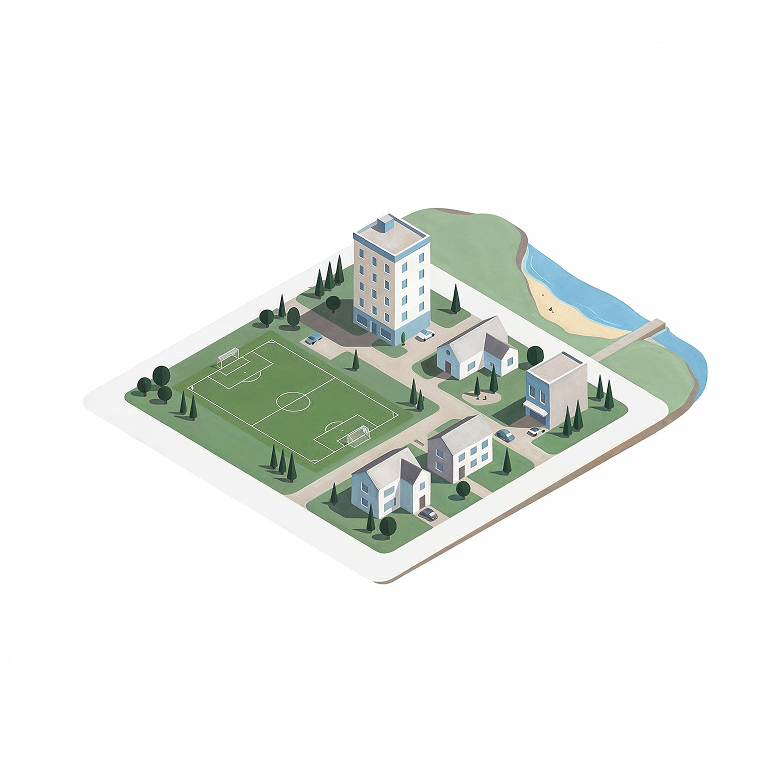
In France, climate change is putting buildings and infrastructure under increasing strain. With damage caused by natural disasters potentially rising by 60% by 2050, what are the main risks facing the built environment, and what solutions can strengthen its resilience?
An infographic overview.
Saint-Gobain France white paper produced as part of the Sustainable Construction Observatory.
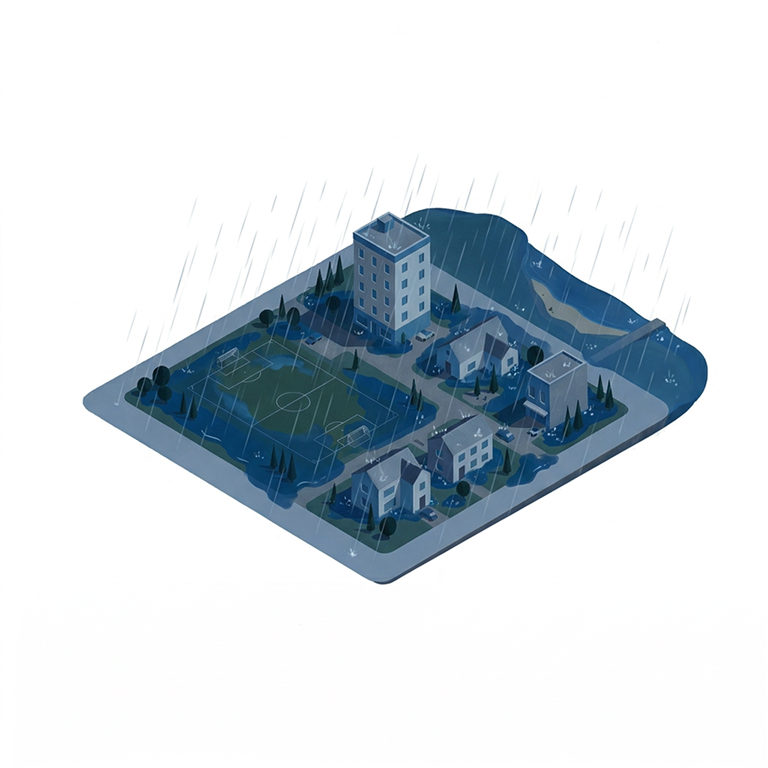
HEAVY RAINFALL & FLOODING
- Ground movements (rockfalls, landslides, mudslides, etc.)
- Damage to building, infrastructure, and equipment materials
- Transportation networks rendered unusable and economic activity disrupted


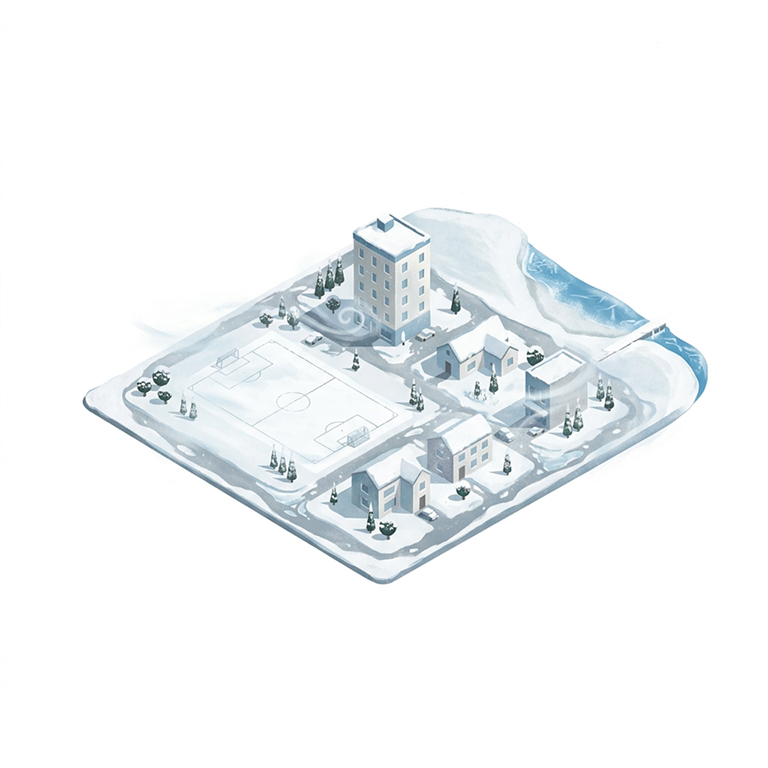
COLD WAVES & SNOW
- Freezing and bursting of utility networks and pipes
- Icy roads and transportation disruptions


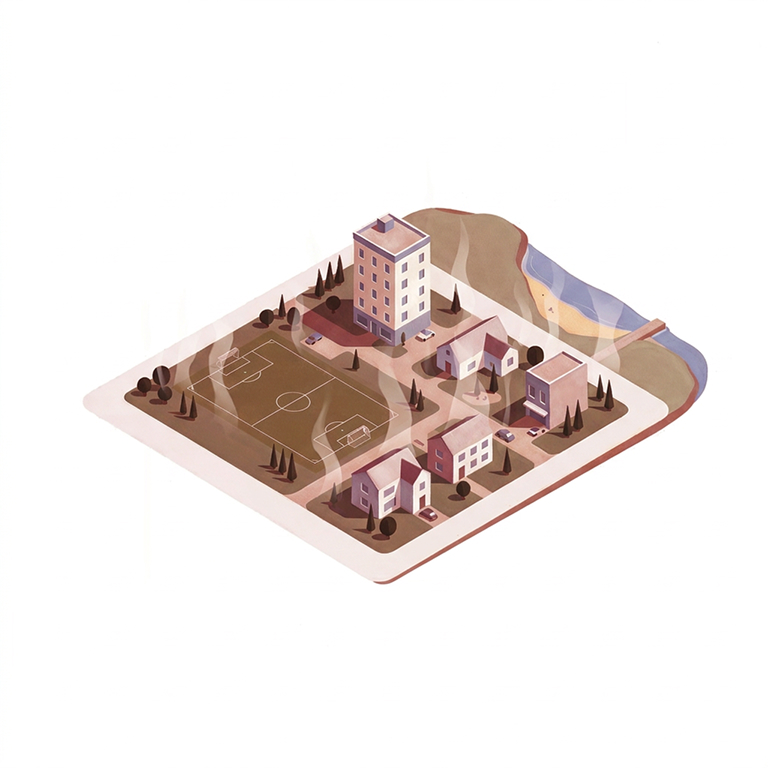
HEAT WAVES
- Thermal discomfort in buildings
- Urban heat islands
- Failure of electrical equipment and transportation networks


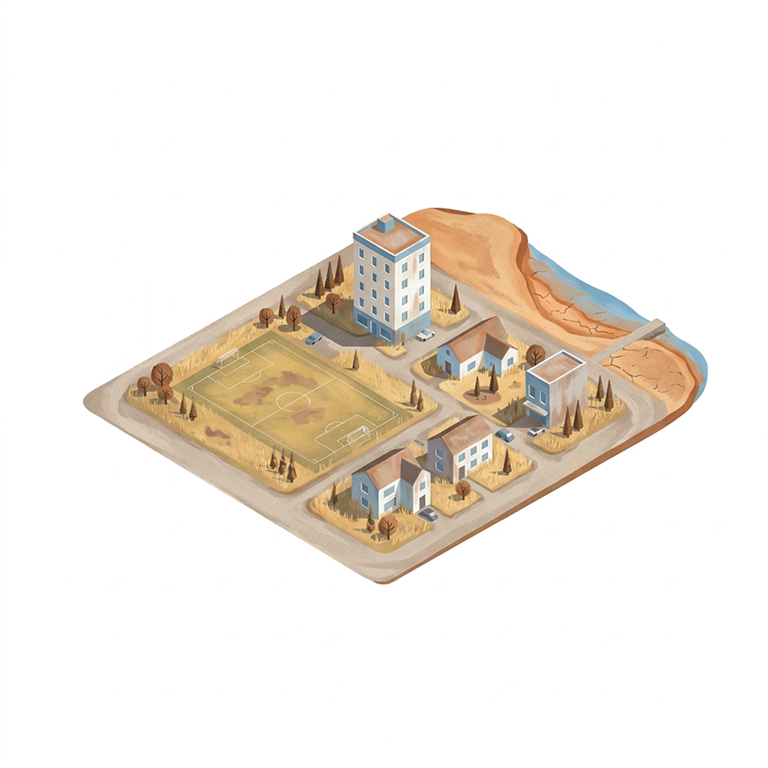
DROUGHT & WATER STRESS
- Shrink-swell behavior of clay soils: structural cracking in buildings and deformation or rupture of underground utility networks (water, gas, etc.)
- Water shortages: operational constraints for power plants, water treatment facilities, and industrial processes
- Wildfires: destruction of buildings and vegetation


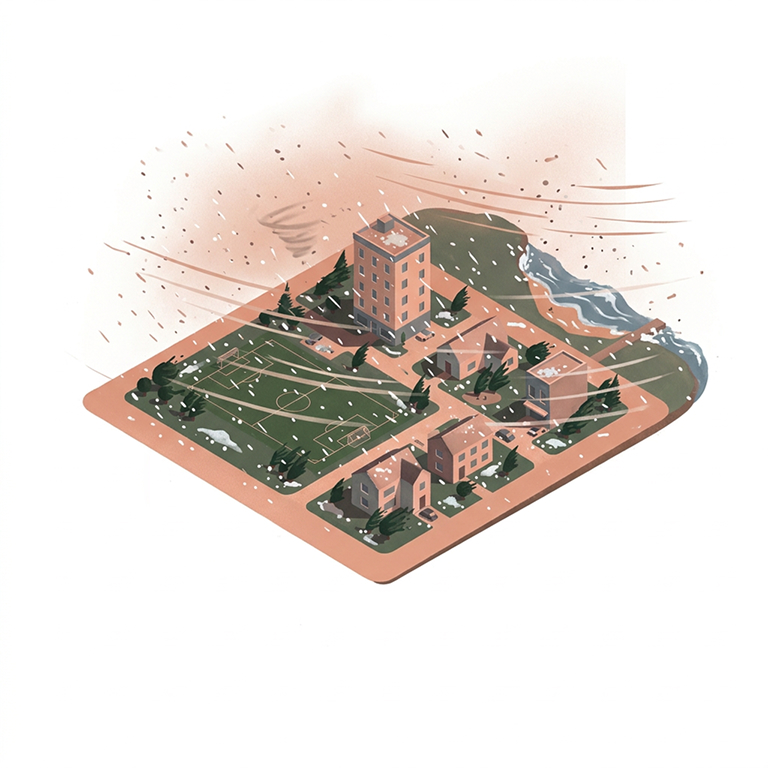
STORMS, HIGH WINDS & HAIL
- Destruction of or damage to building components
- Damage to energy equipment and power supply outages
- Transportation disruptions



SEA-LEVEL RISE
- Coastal erosion and shoreline retreat
- Coastal flooding of buildings and infrastructure
- Damage to levees


Share


