
Water stress: a systemic approach is essential

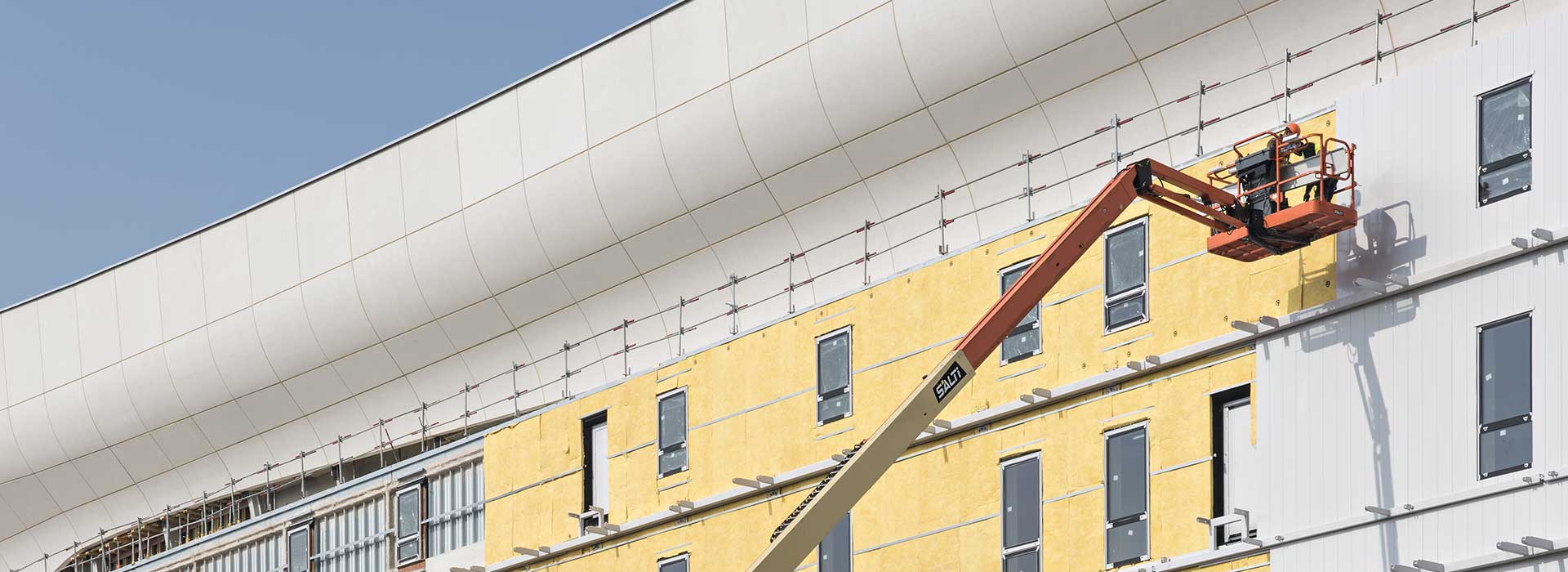
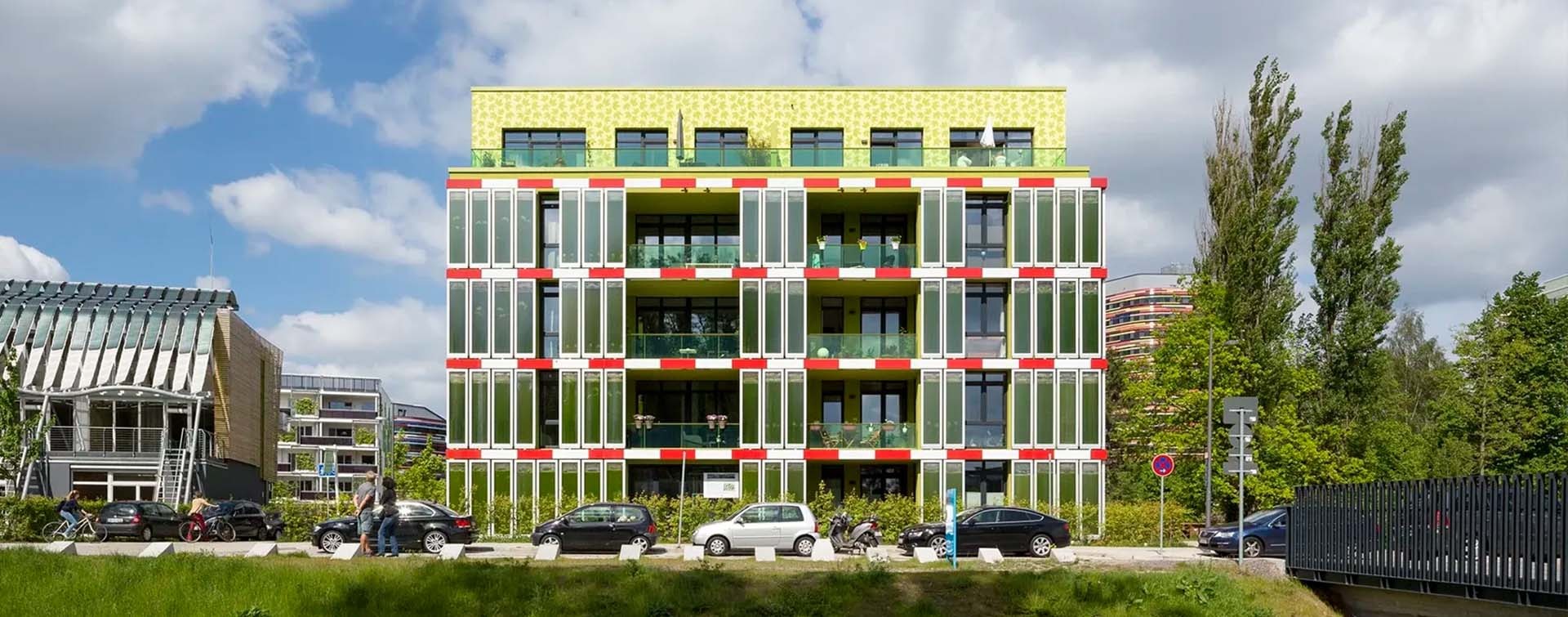
In Milan (Italy), a city increasingly exposed to water stress, the Aria Ex Macello project was designed as a direct response to water scarcity. Developed on 15 hectares of a former industrial site, the future district implements a circular water management strategy, reusing groundwater from the Borgognone River for non-potable uses. The goal is to reduce per-capita water consumption by around 30%, through this approach combined with extensive greening and design solutions that limit irrigation needs.
 ›
Circularity
›
Water stress: a systemic approach is essential
›
Circularity
›
Water stress: a systemic approach is essential 
 8 min
8 min
Share

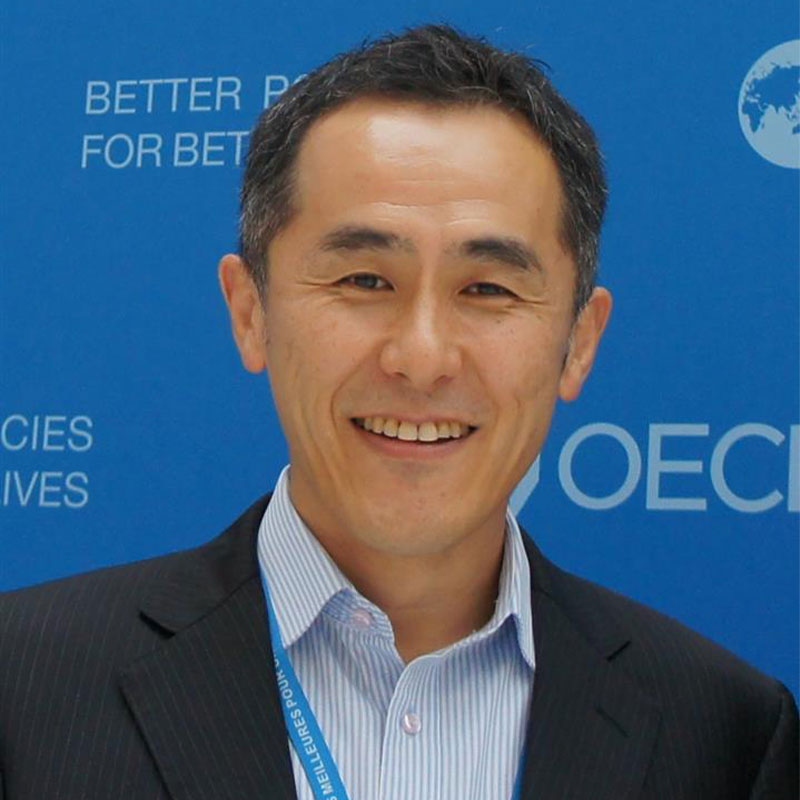
At the OECD, Tadashi Matsumoto has been working for several years on territorial policies for climate adaptation and resilience, with a growing focus on urban water stress. His international expertise sheds light on the links between urbanization, water governance, and the role of the construction sector in the transition toward more sustainable water resource management.
Could you give us an overview of the regions of the world affected by water stress, and the causes behind this situation?
Water stress is emerging as one of the major challenges for global resilience, affecting regions across all continents as a result of combined climatic, demographic, and environmental factors. Climate change is intensifying drought episodes and reinforcing the pattern whereby “wet regions become wetter, and dry regions become drier.” Areas that are already arid or semi-arid are therefore the most exposed, including Southern Europe, North Africa, the Middle East, large parts of the western United States and Mexico, as well as central and southern Australia.
By mid-century, nearly half of the world’s urban population is expected to face water scarcity, exposing an additional one billion people to significant water security risks. Already today, one quarter of the global population experiences extremely high water stress every year, consuming almost all available water resources.


To what extent is water stress now becoming an increasingly central component of urban resilience?
Water stress is rapidly becoming a central dimension of urban resilience, on a par with energy and climate change mitigation. Constraints on water resources also have the potential to become a major driver of innovation in the construction sector, much as the energy transition has transformed architecture and materials over the past decade.
Water scarcity affects not only drinking water supply, but also the functioning of energy systems—for example hydropower generation and the cooling of thermal and nuclear power plants—as well as food security, through its impacts on agricultural production.
Also read:
All our articles on Urbanization
A key message from my work at the OECD is that water must be managed at the functional scale: hydrological boundaries rarely coincide with administrative borders, making inter-municipal cooperation essential.
These challenges highlight why a systemic approach is indispensable. Water-related issues are interconnected with stormwater infrastructure, land-use planning, governance arrangements, community behavior, and ecosystems.
When it comes to buildings, which levers can help reduce pressure on water resources—materials, design, regulation of uses?
Materials and design are important levers for reducing pressure on water resources, particularly through well-designed fixtures and appliances that minimize consumption. Digital tools such as smart meters and real-time monitoring can significantly strengthen water savings.
Also Read:
The many faces of innovation in construction
Updating building codes to require water-efficient solutions in new construction and major renovations can help lock in long-term savings.
Cities can go further by embedding water reuse directly into planning regulations. This includes integrating graywater recycling into planning requirements and promoting rainwater harvesting in new buildings where local conditions make it effective.
Early in your career, you worked on the concept of the “Compact City,” particularly on optimizing the land footprint of buildings and infrastructure. Do you think this concept can be beneficial for water resource management?
Compact development offers significant advantages for urban water management. Optimizing water infrastructure over more concentrated areas reduces the risk of leaks and network losses, while denser forms of housing create economies of scale that make graywater reuse or shared rainwater harvesting systems more viable.
By limiting urban sprawl, compact development also frees up space for parks and nature-based solutions, which are essential for groundwater recharge and for mitigating water stress linked to land artificialization.
Several cities, particularly in Asia and Europe, are experimenting with graywater management and decentralized collection systems. Based on your experience in Japan and at the OECD, what political or economic barriers are still slowing the adoption of these solutions?
Decentralized graywater management systems remain difficult to deploy at scale due to several political, economic, and institutional barriers.
First, the economic constraints are significant. Each building requires dedicated equipment, on-site maintenance, and sometimes additional space, which increases both capital and operating costs.
A second obstacle relates to public perception. Graywater is often perceived as “dirty” or unsafe, which limits its socially acceptable uses.
Finally, these systems raise governance and planning challenges. Integrated planning, shared data protocols, and clearer reporting requirements are therefore essential.
Looking ahead to 2035, do you think constraints on water resources could become a real driver of innovation for the construction sector, just as the energy transition has transformed architecture and materials over the past ten years?
Yes, constraints on water resources have the potential to become a major driver of innovation in the construction sector, in much the same way that the energy transition has reshaped architecture and materials over the past decade.
With the right mix of regulations and incentives, practices that are currently considered advanced—such as integrating graywater reuse systems into large buildings—could rapidly become standard features of new construction.
Innovation is also emerging at the housing scale. Low-flow showerheads and dual-flush toilets are now standard in most new buildings, and modern dishwashers typically consume far less water than washing dishes by hand.
To go further