
Durable materials: 3 innovations that extend infrastructure lifespan

Chryso Adfil® Durus EasyShot macro-synthetic fibers increase the durability of wet-mix shotcrete used in underground construction projects such as tunnels.
 ›
Circularity
›
Durable materials: 3 innovations that extend infrastructure lifespan
›
Circularity
›
Durable materials: 3 innovations that extend infrastructure lifespan 
 3 min
3 min
Share

Écouter cet article
La version audio est fournie par Trinity Audio. Son activation dépose des cookies permettant de vous identifier de manière persistante. En savoir plus

Increasing the lifespan of concrete
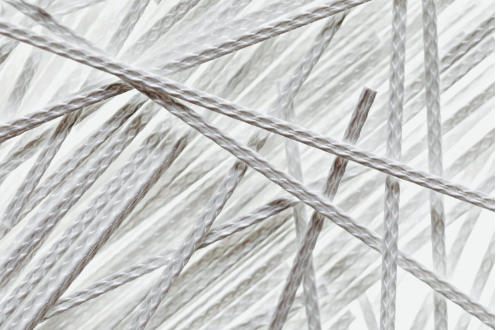
Designed using a patented polymer base, Chryso Adfil® Durus EasyShot macro-synthetic fibers increase the durability of wet-mix shotcrete used in underground construction projects such as tunnels. Their main advantage is that they avoid the use of steel mesh, thus eliminating corrosion problems, which are common in damp underground conditions. This increases the lifespan of concrete structures. In addition, these fibers have many other advantages. They are lighter than steel, reduce the risk of shrinkage cracking, facilitate installation, and can reduce the carbon footprint of the structure.
Controlling steel corrosion
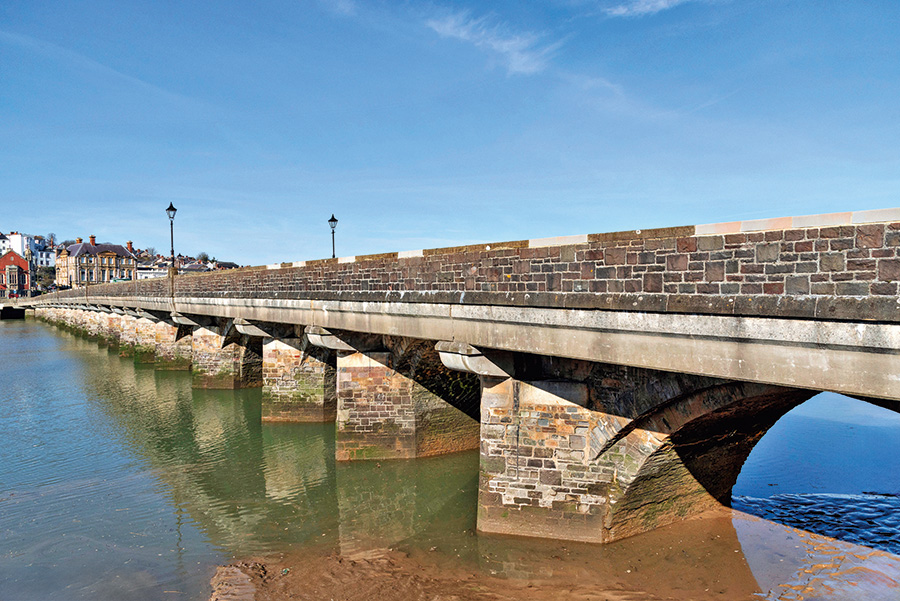
Over the decades, many concrete bridges deteriorate due to corrosion of the reinforcing steel, chloride penetration, CO2 mineralization of the concrete, and freeze/thaw cycles. When the structural integrity of structures is compromised, demolition is not inevitable, thanks to sustainable solutions for renovation. For example, Bideford Long Bridge, a historic bridge located in southwestern England, underwent renovations that extended its lifespan by twenty-five years. The bridge suffered from corrosion of its metal reinforcements, surface spalling, and structural weakening. Fosroc was able to supply mortar and grouting compatible with the corrosion management system. The impressed current cathodic protection system now makes it possible to electrically control the corrosion of the steel reinforcement to halt its progression.
Modifying the molecular structure of wood
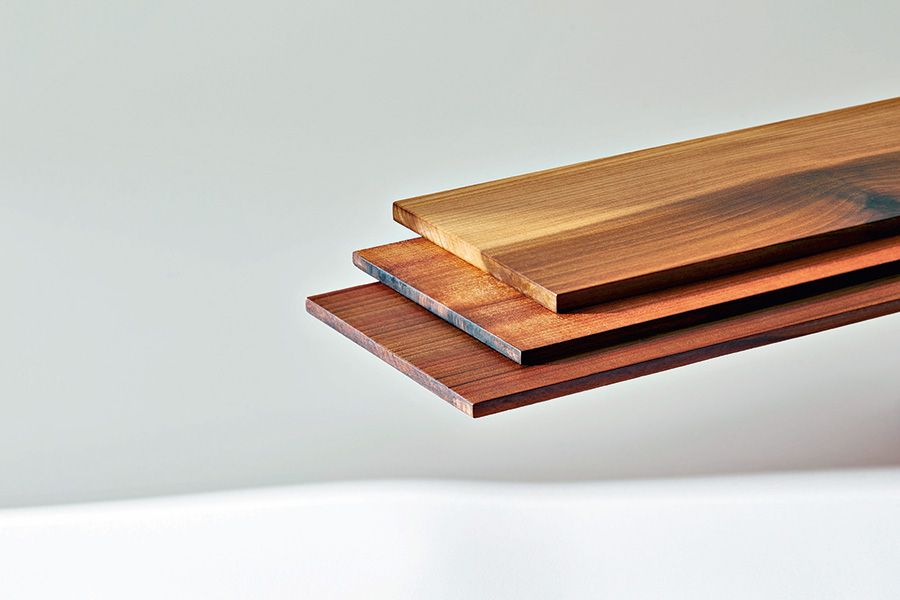
Although it is renewable and biodegradable, wood can present major defects, depending on the species and the environment in which it is used, if it is not treated. In particular, with regard to its resistance to fire, moisture, and attacks by wood-boring insects and wood-decaying fungi. InventWood, an American start-up, offers a unique process capable of modifying the molecular structure of ordinary wood to significantly improve its properties in construction. This ‘Superwood’, developed with the support of Saint-Gobain, combines the advantages of wood and steel, but retains the unique appearance of wood. It is class A fire-rated, moisture-resistant, and rot-resistant, and can be as strong as steel while being six times lighter.