
 ›
Quality of living
›
Quality of life and the environment: the same battle
›
Quality of living
›
Quality of life and the environment: the same battle 
 6 min
6 min
Share

Écouter cet article
La version audio est fournie par Trinity Audio. Son activation dépose des cookies permettant de vous identifier de manière persistante. En savoir plus
Comfort in a building is based on four main factors: air quality, natural light, acoustics, and temperature. These aspects directly impact our health, concentration, and well-being on a daily basis. Solutions exist to meet these basic needs: high-performance thermal and acoustic insulation, which drastically reduces energy consumption, limits CO₂ emissions, and conserves natural resources. Quality of life and environmental performance are two sides of the same coin.
When everything comes together
Four parameters work simultaneously to reduce a building’s carbon footprint, conserve natural resources, and improve the well-being of its occupants.
Take ventilation, for example. An effective system regulates CO₂ and removes volatile pollutants: less fatigue and fewer headaches for occupants. But the dual-flow version of the same ventilation system recovers up to 90% of the heat from the extracted air, reduces heating requirements by 25 to 45%, and limits CO₂ emissions by the same amount.
The orientation of the building and the size of the windows also play a dual role. They influence circadian rhythms, sleep, and mood, while reducing artificial lighting by 40 to 60% with a corresponding reduction in the electricity bill.
The envelope of the building also contributes, by reducing outside noise. It makes it easier to concentrate and reduces stress. This same envelope, with reinforced insulation and airtightness, also blocks heat loss and thus plays a decisive role in terms of energy efficiency: walls and façades alone account for nearly one-third of a building’s heat loss. And the insulating materials used are becoming increasingly sustainable: reduced carbon footprint, recycled or bio-based content, reduced emissions of volatile organic compounds, etc.
Lastly, temperature. Maintaining a temperature of 20-22°C in winter and avoiding overheating in summer requires effective insulation, good thermal inertia, and appropriate sun protection, including solar control glazing to ensure optimal light levels. These measures stabilize indoor comfort while significantly reducing energy requirements: turning down the heating by just one degree represents an average of nearly 7% in energy savings and hence lower CO₂ emissions.
So there is no need for a trade-off between comfort and reduced environmental impact: solutions exist that allow progress to be made on both fronts at the same time. A passive building illustrates this perfectly, combining stable temperatures, constantly renewed air, and plentiful natural light, while its energy consumption drops by 75 to 90% and its CO₂ emissions are virtually zero.
Addressing a misconception about what sustainability really means
All the lights seem to be at green for the systematic deployment of sustainable solutions aimed at greater comfort and well-being. Design tools are getting better, the technical solutions are proven, feedback is available, and economic benefits are well documented. International standards now recognize this convergence between environmental performance and quality of life: the Déclaration de Chaillot, the European Level(s) framework, and WELL and HQE (high environmental quality) certification all incorporate both aspects.
Yet the 2026 Sustainable Construction Barometer reveals that only 18% of sector stakeholders around the world make an unprompted connection between sustainable construction and well-being.
To overcome this perception barrier, the challenge now lies in the narrative we choose to deploy. Opting for a more detailed explanation of quality-of-life factors will enable us to move beyond an overly restrictive view of what sustainability really means.
THE SHANGHAI ASTRONOMY MUSEUM (CHINA) 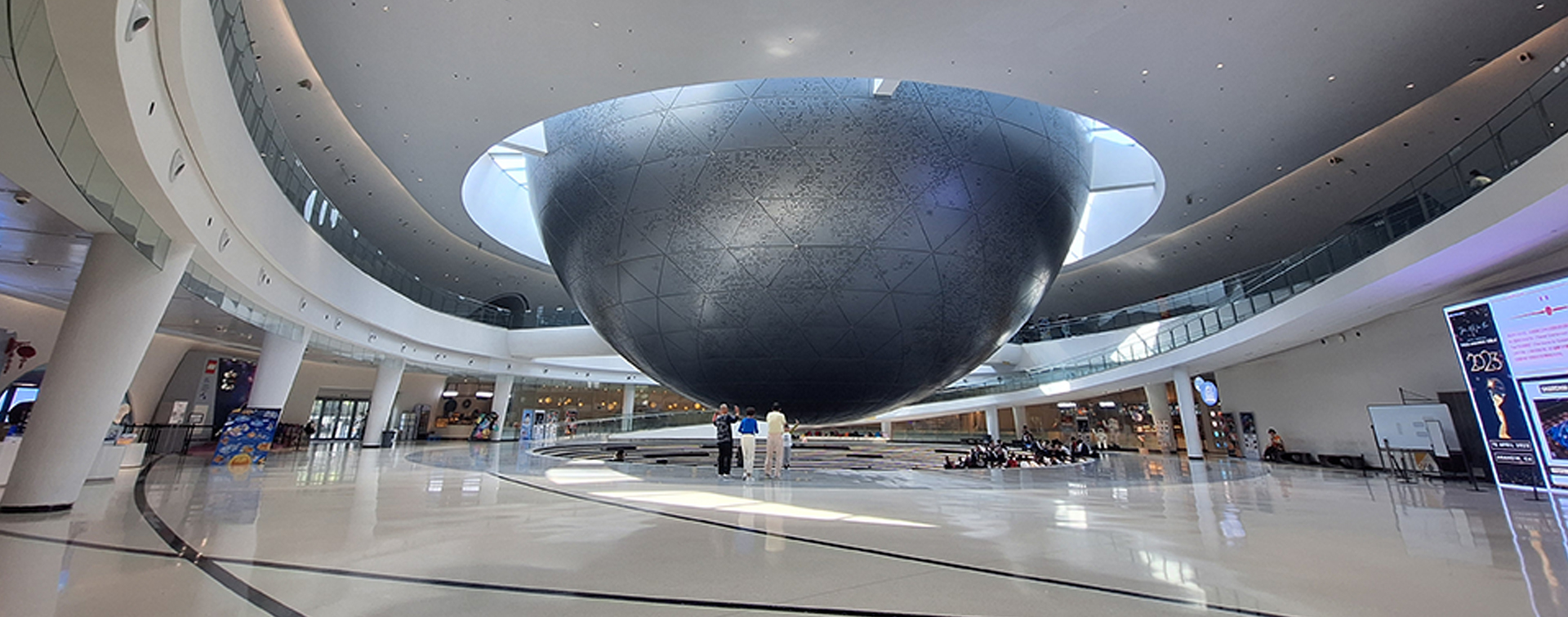
The Shanghai Astronomy Musuem, the world’s largest planetarium, was designed as a place of discovery where visitor comfort is at the heart of the experience. Gyproc supplied approximately 15,000 m² of plasterboard for the partitions and ceilings, contributing to acoustic absorption and sound clarity, which are essential for understanding scientific content and ensuring a high-quality visitor experience. Their light weight also facilitated installation while limiting the load on the structure, in a building with a particularly complex shape, without no straight lines or right angles.
SALESFORCE TOWER (UNITED STATES) 
This 61-floor skyscraper in San Francisco has so far obtained LEED Platinum pre-certification, with energy consumption 30% below the Californian standard. Underfloor air distribution, outdoor-air economizers, and a high-performance façade combining low-emissivity glazing and sunshades: together, these features provide 15,000 occupants with optimized thermal and visual comfort in a building that uses less energy than a standard office block.
RIEDBERG PRIMARY SCHOOL (GERMANY) 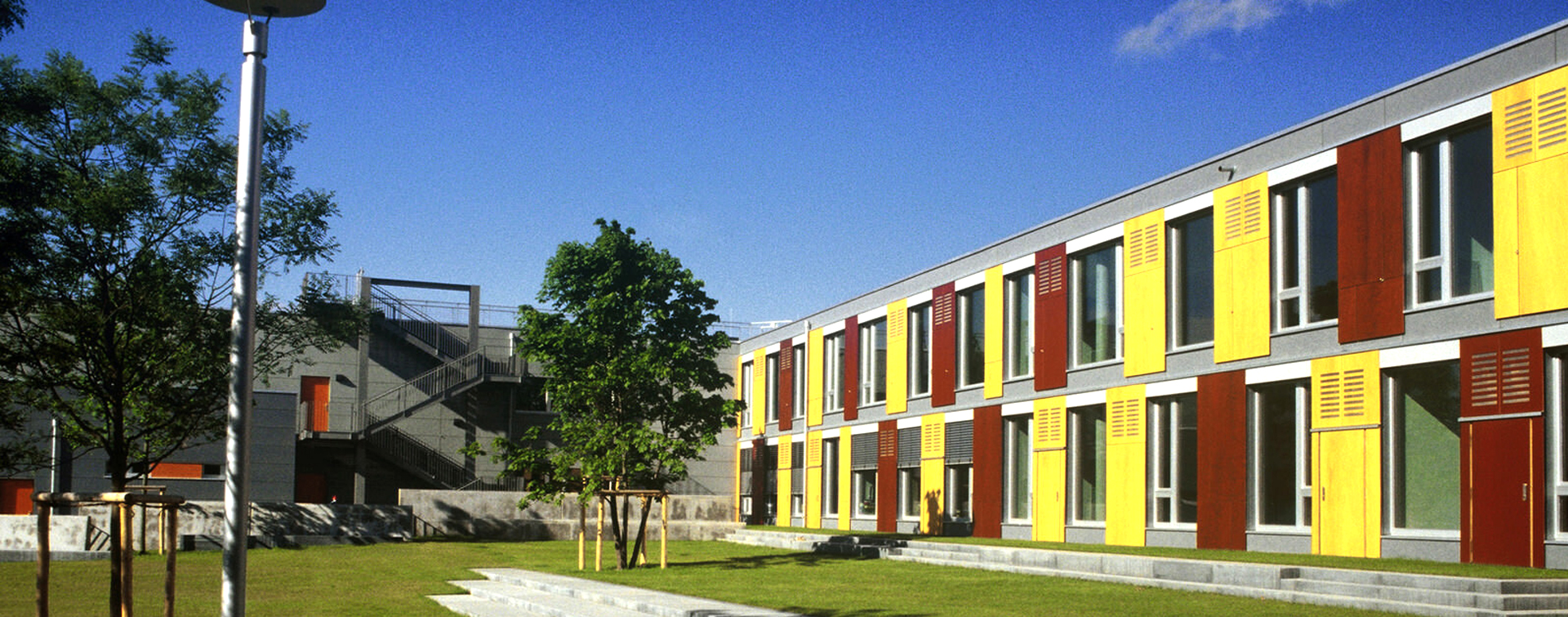
In Frankfurt, this primary school complies with Passivhaus standards: enhanced airtightness, measured at a level approximately 25% more stringent than the Passivhaus threshold, and dual-flow mechanical ventilation with heat recovery via an air-to-air heat exchanger. After monitoring for 30 months, the results show an average temperature of 22.9°C in summer without air conditioning, optimal air quality, and energy savings of 90% compared with conventional standards. Students can work in good conditions while the school has optimized its energy bills.
You can also explore:
“Figure Out” video series Episode 4 : Comfort
Silence! Make way for well-being.
And the section Quality of living