
Comfort and Health: A Few Key Figures

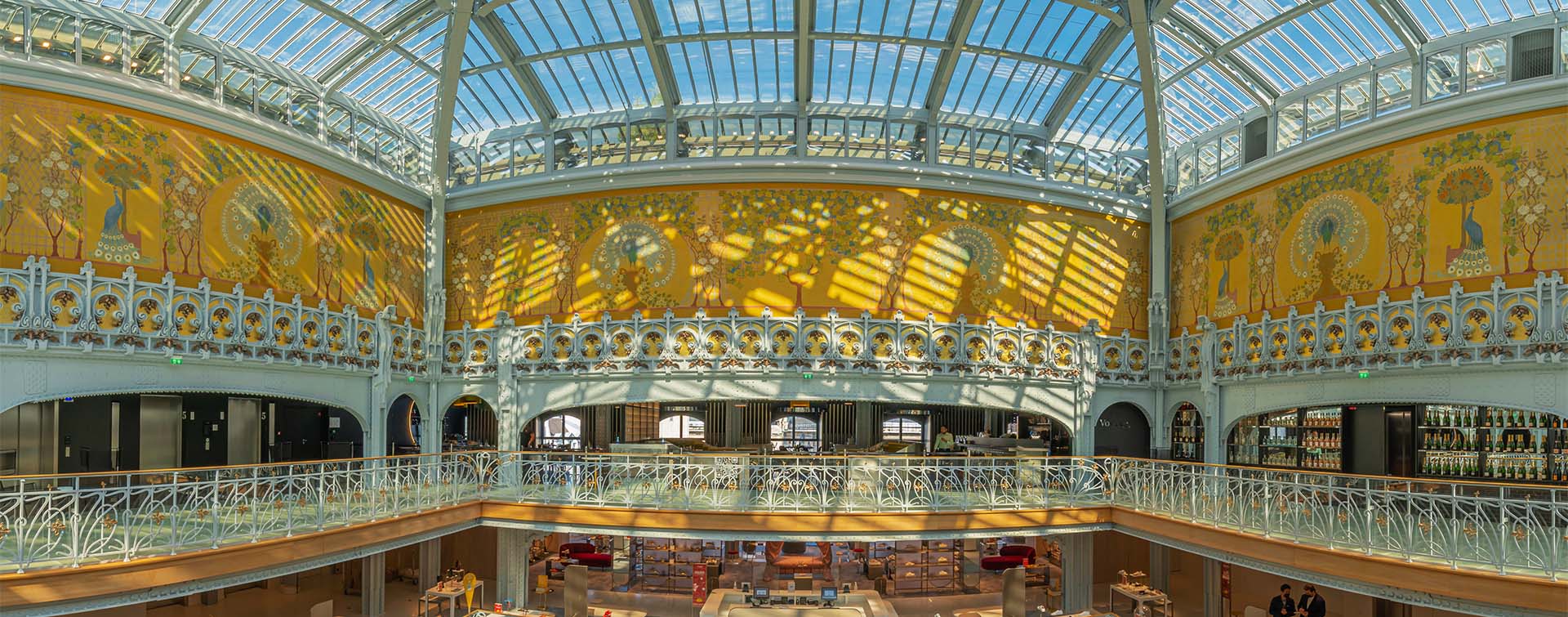
ARQBOREA IN MADRID (SPAIN), an office building that has obtained WELL Health-Safety Rating and Platinum WELL Core & Shell certification.
 ›
Quality of living
›
Comfort and Health: A Few Key Figures
›
Quality of living
›
Comfort and Health: A Few Key Figures 
 3 min
3 min
Share

Écouter cet article
La version audio est fournie par Trinity Audio. Son activation dépose des cookies permettant de vous identifier de manière persistante. En savoir plus

OFFICES
+10 points in productivity in better-designed spaces
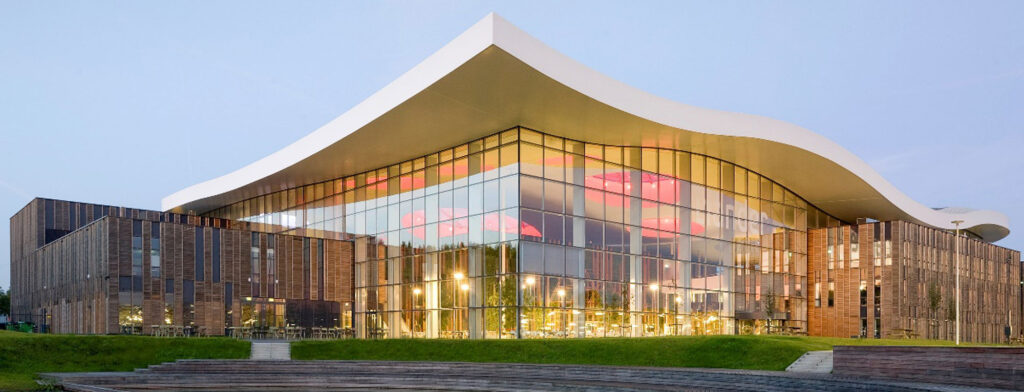
A study published in Building and Environment(1) shows that very practical improvements in offices, such as better ventilation, more effective filtration, increased natural light, materials with low volatile organic compounds, and good thermal and acoustic comfort, result in an average increase of 10 points in employee productivity. In open-plan offices, the Center for the Built Environment (United States) has shown that a 10 dB reduction in ambient noise can improve concentration by 30%.
Also read: Quality of life and the environment : the same battle
HOMES
Up to +26% higher sales price for homes with high environmental comfort
In the United States, research at the Massachusetts Institute of Technology (MIT) has shown that homes with better air quality, ventilation, material emissions, and natural light command a rental premium of 4% to 7% above comparable properties(2). In Europe, a recent study in Turin found that naturallight has as much influence on house prices as surface area or floor space. The best-lit homes can command a premium of up to 26% in sales price and 21% in rent(3).
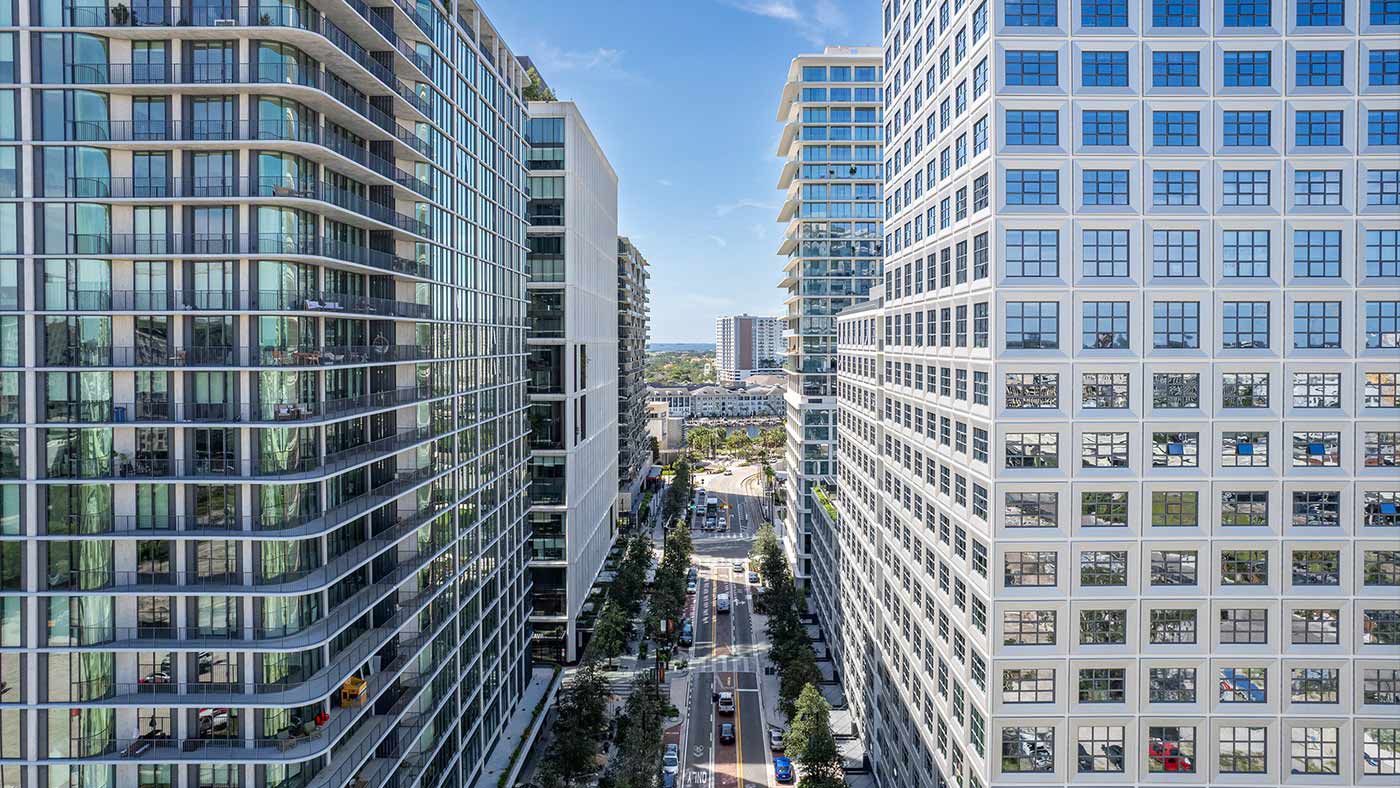
Water Street Tampa (United States) is the first neighborhood in North America to achieve the WELL Community certification – Gold level, awarded by the International WELL Building Institute (the label that evaluates buildings based on their impact on occupants’ health and well-being). The project integrates, at both the building and public space scales, design principles that promote access to natural light, indoor environmental quality, environmental comfort, and connections with the outdoors, recognized drivers for supporting users’ physical and mental health. This comprehensive and coordinated approach makes the neighborhood an international benchmark for well-being-oriented urban development.
PLACES OF LEARNING
+5% improvement in academic performance when classrooms are better ventilated
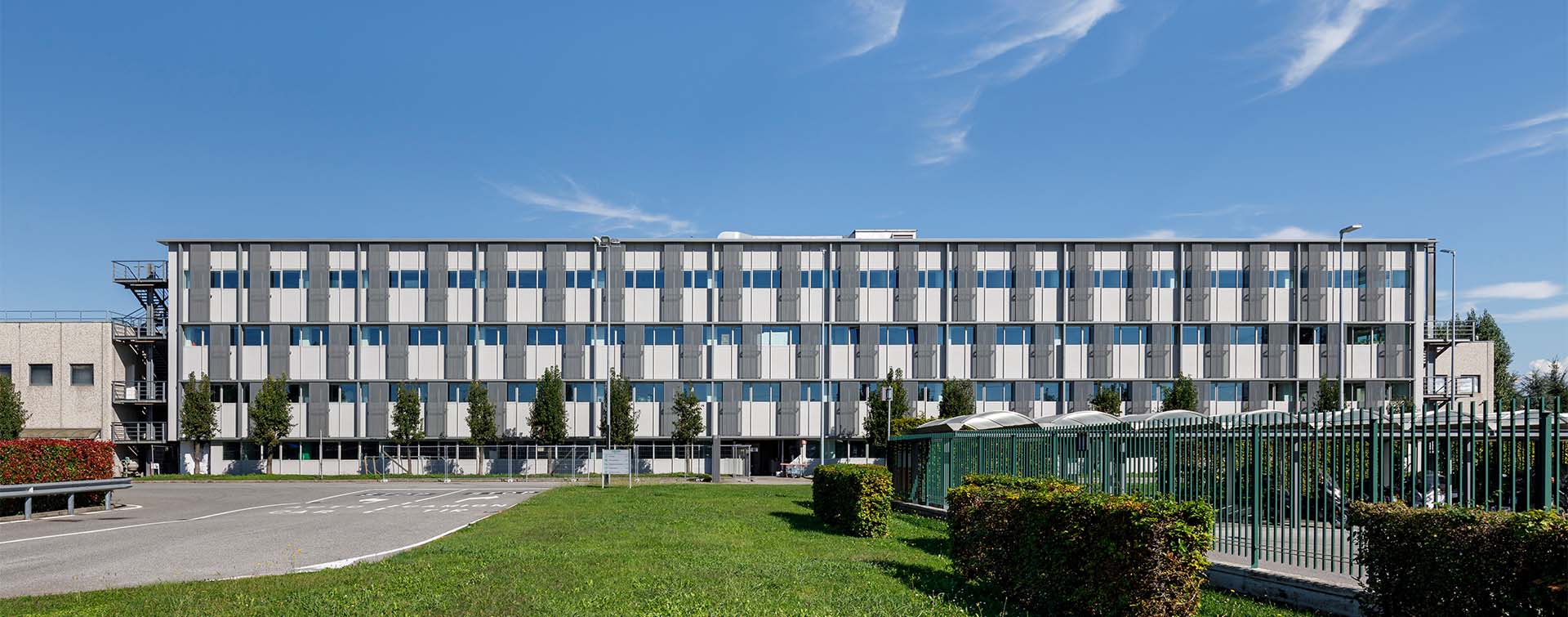
In schools, light and indoor air directly influence academic success for students and working conditions for teachers. Several studies show that increasing ventilation flow rates leads to an average performance increase of 5% in standardized assessments(4). Stabilized CO2 levels reduce drowsiness and improve concentration. Exposure to natural light is also a factor in academic success(4).
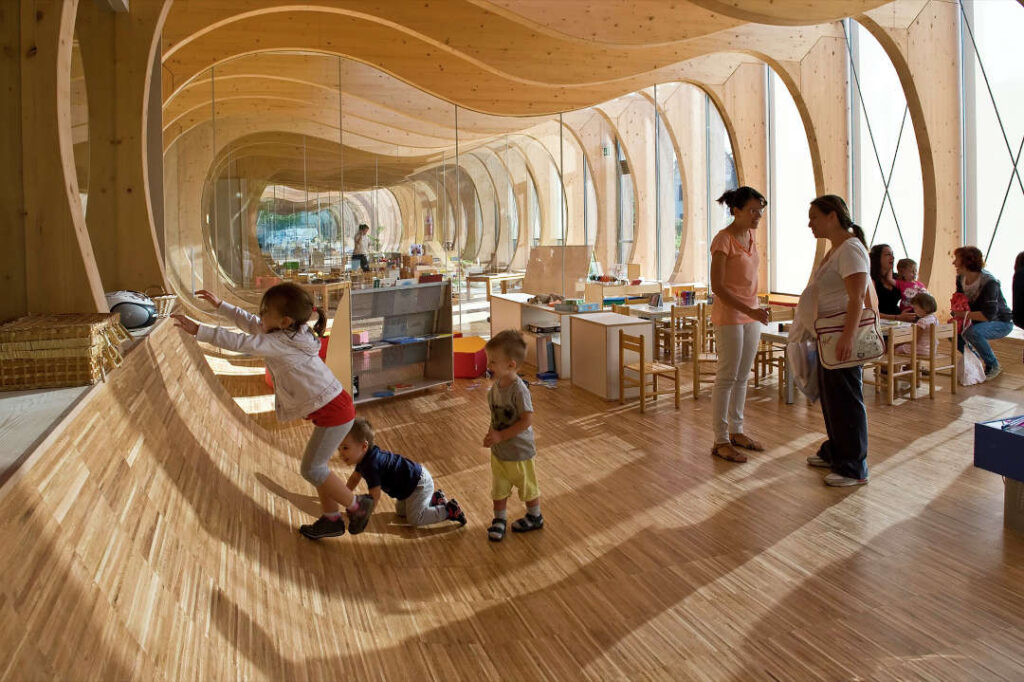
Also read: The sustainable school of tomorrow is for today.
Explore all our Quality of Living articles
Sources:
- N. Ildiri, H. Bazille, Y. Lou, K. Hinkelman, W. Gray, W. Zuo, Impact of WELL certification on occupant satisfaction and perceived health, well-being, and productivity: A multi-office pre- versus post-occupancy evaluation. Building and Environment, 2022.
- B. Hano, A. Keitaro, The incremental value of smart buildings upon effective rents and transaction prices. Thèse du MIT, 2018.
- S. Loro, V. Lo Verso, E. Fregonara, A. Barreca, Influence of daylight on real estate housing prices. Journal of Building Engineering, 2024.
- L. Heschong, R. Wright, S. Okura, Daylighting Impacts on Human Performance in School. Journal of the Illuminating Engineering Society, 2013.