
 ›
Urbanization
›
The 5 winners of the 2026 Global Award for Sustainable Architecture™
›
Urbanization
›
The 5 winners of the 2026 Global Award for Sustainable Architecture™ 
 6 min
6 min
Share

Écouter cet article
La version audio est fournie par Trinity Audio. Son activation dépose des cookies permettant de vous identifier de manière persistante. En savoir plus
For its 19th edition, the Global Award for Sustainable Architecture™ , created by Prof. Dr. Jana Revedin, highlighted five architects and teams whose projects concretely demonstrate how architecture can transform territories. Whether buildings, landscapes, or public spaces, their work addresses environmental and social challenges by relying on local resources and real-world conditions. Together, they illustrate an architecture capable of acting in a simple and sustainable way to improve living environments.
In summary, the 2026 laureates:
• Ye Man, architect, founder of ZSYZ, China
• Doan Thanh Ha, architect, co-founder of H&P Architects, Vietnam
• Loreta Castro Reguera & José Pablo Ambrosi,architects, founders of Taller Capital, Mexico
• Amelia Tavella, architect, founder of Amelia Tavella Architects, France
• Andreas Kipar, architect, landscape architect and urban planner, co-founder of LAND, Germany / Italy

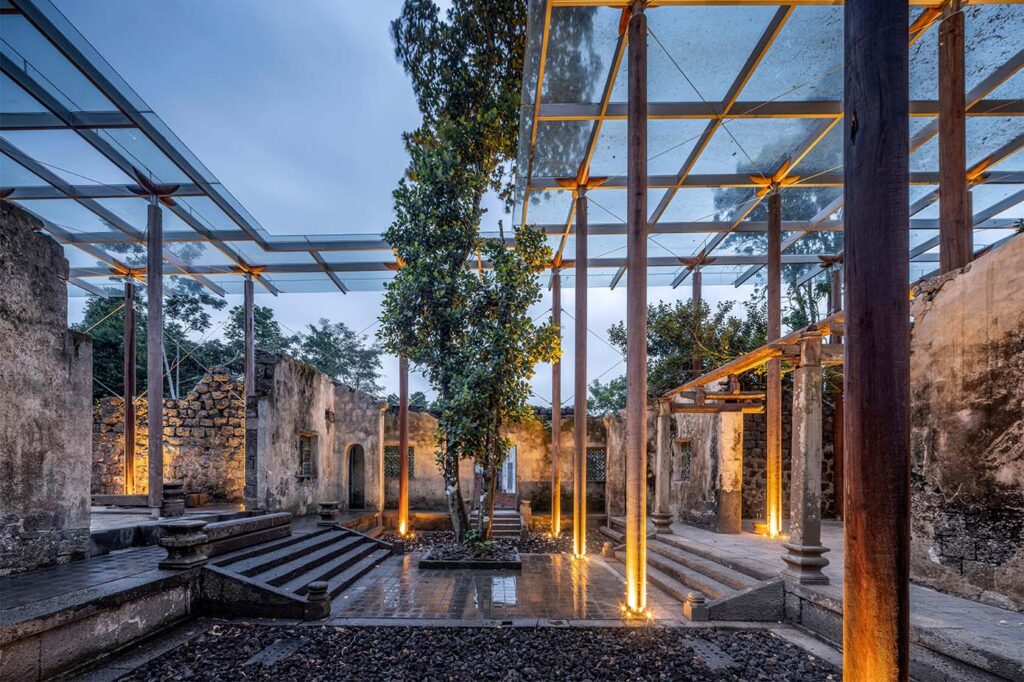
Ye Man — ZSYZ Studio, Shanghai (China)

“In the face of modernity’s ecological limits, I seek an architecture where tradition and ecological intelligence converge to cultivate more attuned ways of living.”
Ye Man’s work is rooted in a process of refinement and reduction. Her approach is based on a deliberate reduction of resources and environmental impact, drawing on principles derived from traditional Chinese construction practices.
The architect develops prefabricated wooden architecture that is biodegradable and reversible, based on traditional joinery techniques combined with advanced technologies. Each project is grounded in extensive prototyping work, with close attention to local conditions, uses, and the identity of places.
For the jury, this approach concretely illustrates several key levers of sustainable construction: adaptability of buildings over time, reduced material footprint, and the ability to be part of regenerative approaches.
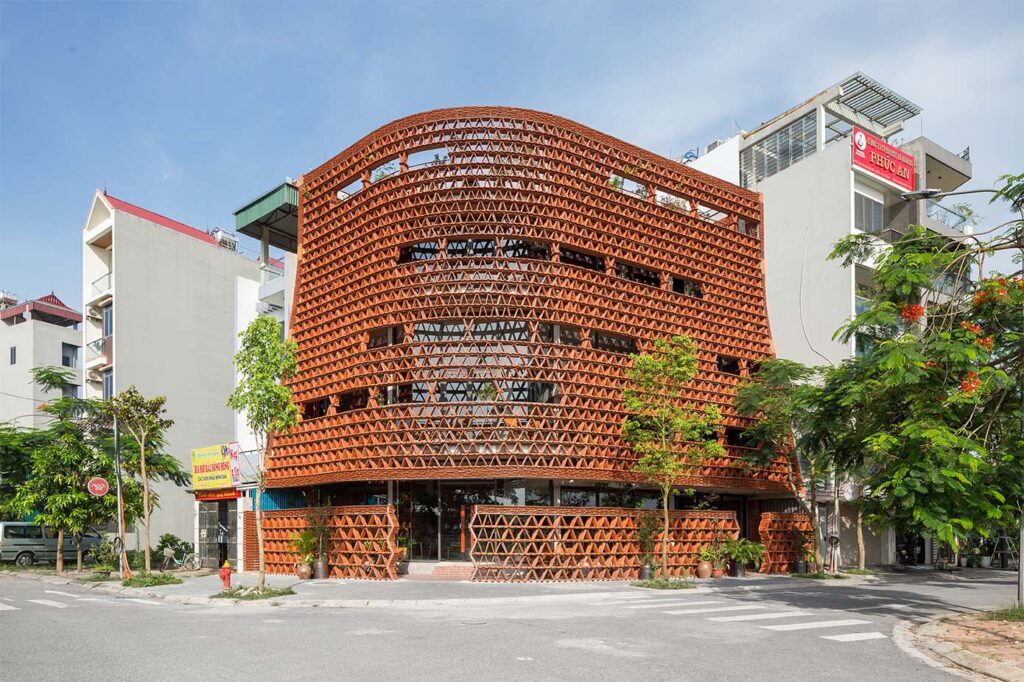
Doan Thanh Ha — Vietnam
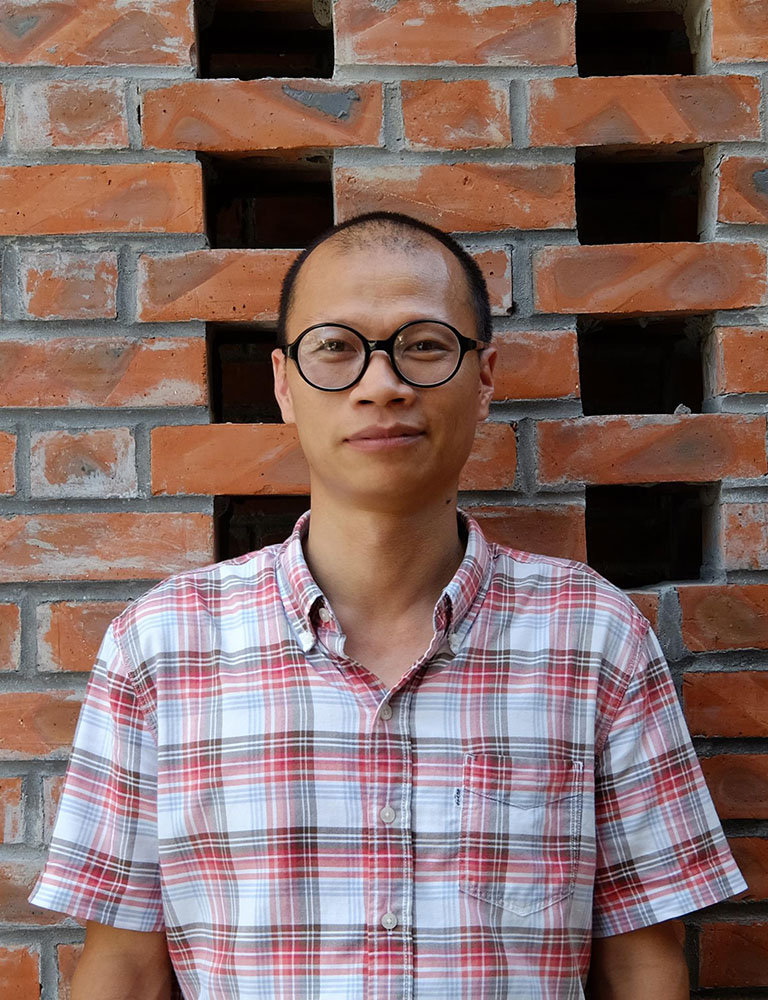
“Good design means that the building is empowering to the community and can be used for a long time.”
Doan Thanh Ha’s approach starts from concrete needs: housing, education, and living spaces for often vulnerable communities, in a context of rapid urbanization and strong environmental and climate pressures.
Rooted in the Vietnamese context, his projects rely on simple solutions: using locally available materials and designing buildings that can adapt to uses, resources, and site constraints.
Rather than standardized models, he develops flexible systems that can be reproduced and adjusted depending on the situation.
Loreta Castro Reguera & José Pablo Ambrosi — Taller Capital, Mexico
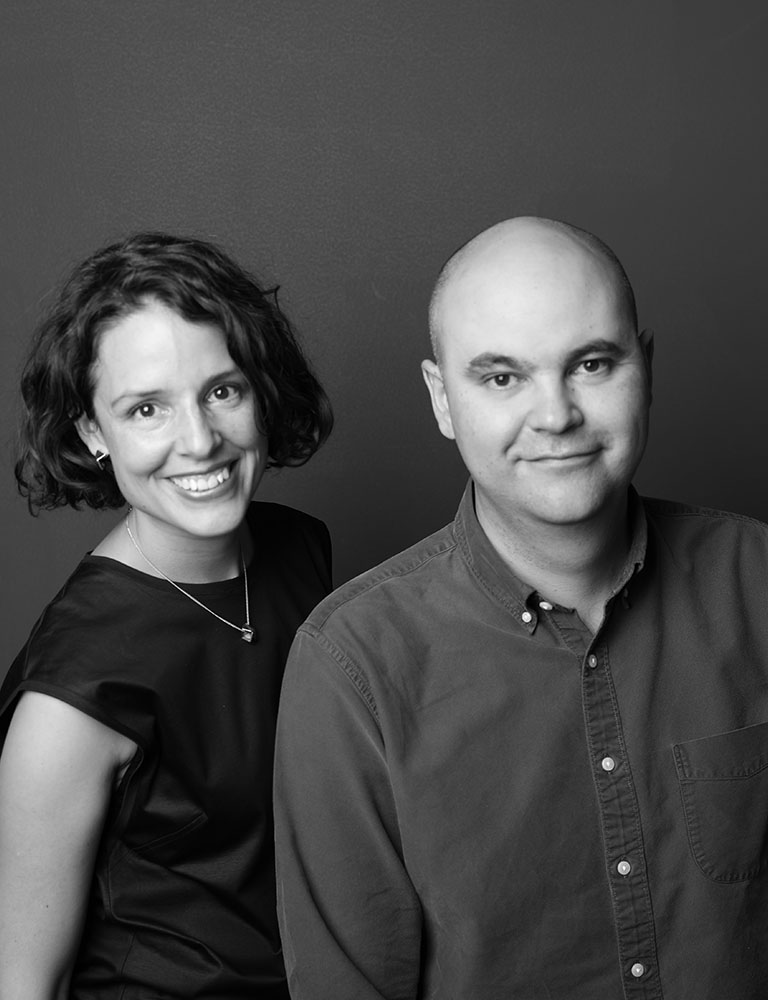
“We transform urban infrastructure into a participatory tool: water becomes a social, cultural, and ecological catalyst that shapes the city and strengthens its connections.”
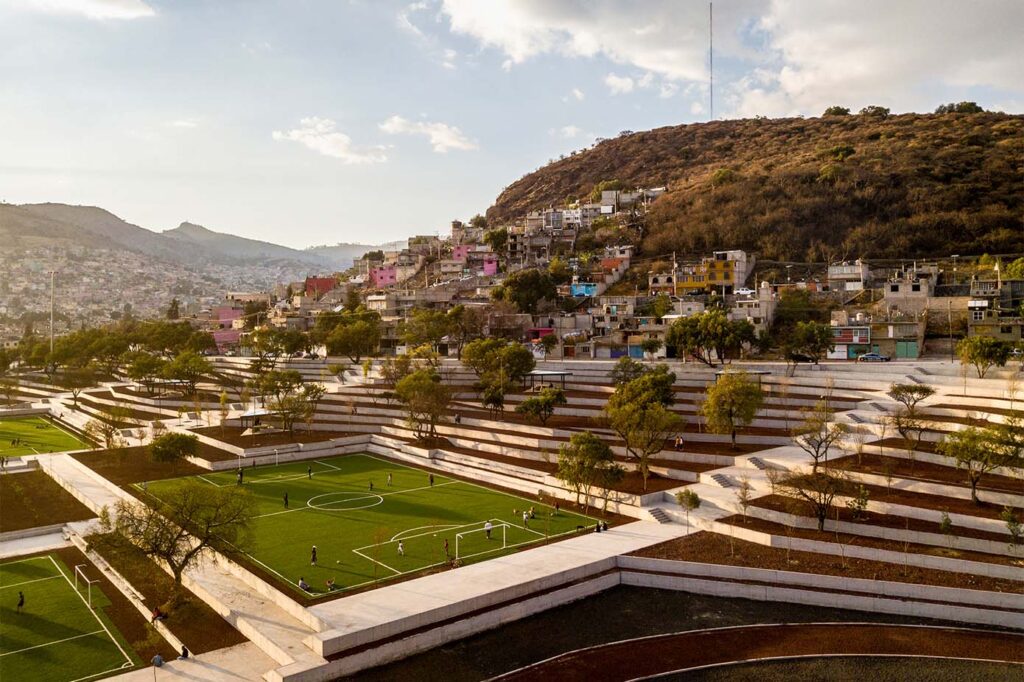
Taller Capital’s approach consists of working with what already exists, developing context-specific solutions rather than imposing external models.
In Mexico, they operate in cities facing a paradoxical situation: limited access to drinking water coexists with frequent flooding. To address this, they implement lightweight, decentralized water management systems, integrated into public spaces and combined with urban amenities.
Their projects show that water is not just a technical service: it can also structure spaces and strengthen connections between residents.
Amelia Tavella — France

“I build in dialogue with history and landscape: each site is x-rayed and explored to extend what existed, transforming memory and material into living architecture.”
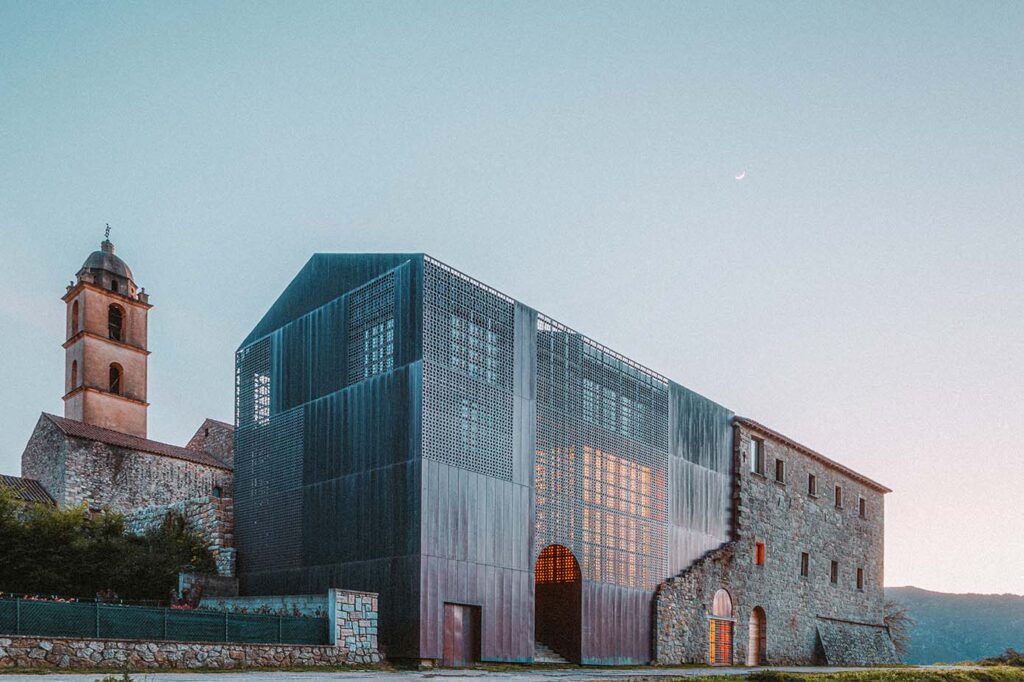
Amelia Tavella develops an architecture based on transforming what already exists, through an analysis of the geographical, historical, and cultural dimensions of each site. Her approach consists of intervening without erasing, by identifying what can be repaired, transformed, or reused.
Her projects prioritize local resources—stone, wood, terracotta—and rely on the concrete conditions of the site, such as climate or topography, to guide design decisions.
By combining restoration, transformation, and new construction, her work shows how to extend the life of buildings and adapt places to new uses.
Andreas Kipar — LAND, Germany
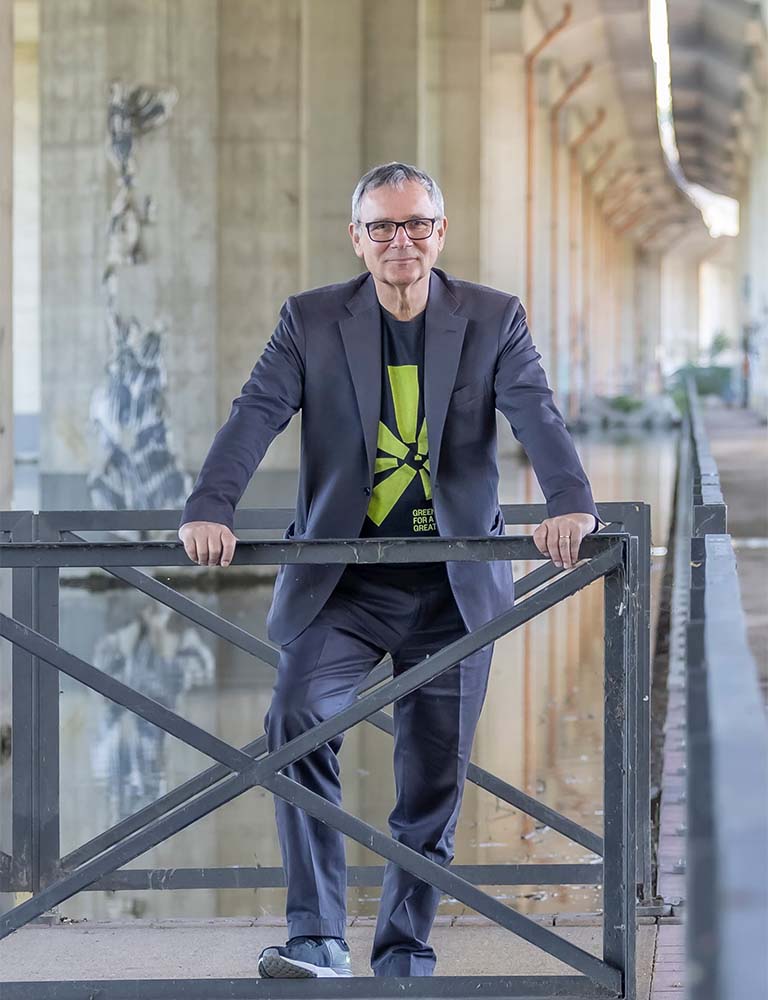
“Restoring landscapes is essential to reducing emissions, strengthening biodiversity, and building more resilient communities.”
Andreas Kipar and his agency LAND focus on transforming degraded sites, particularly former industrial wastelands, into spaces that serve the city and its inhabitants. Since the 1990s, he has used landscape as a tool to improve territories and support their transformation.
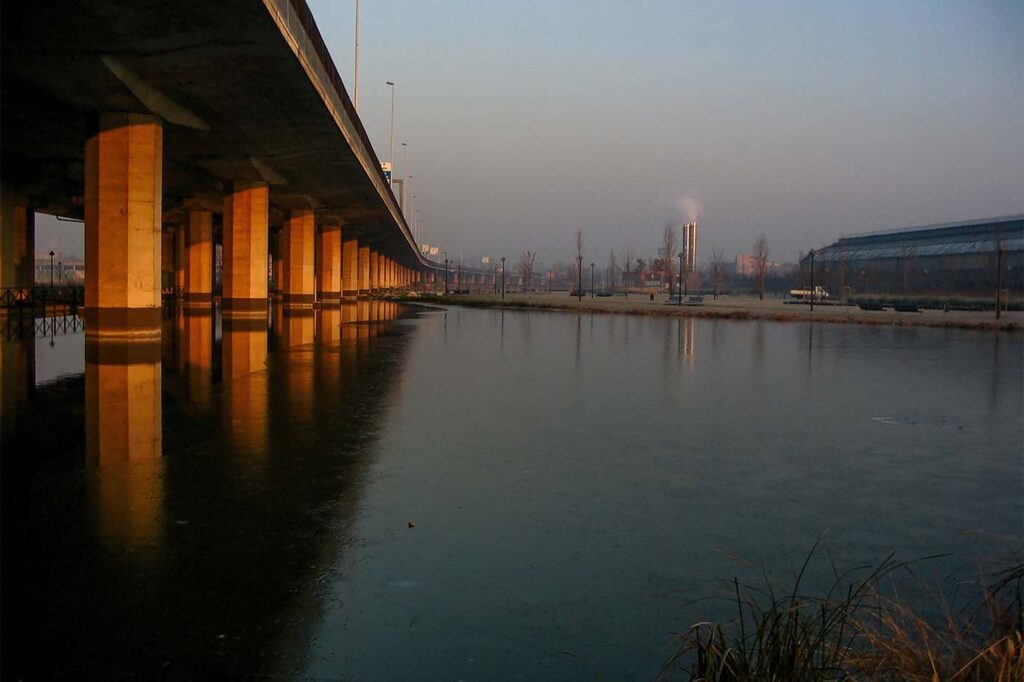
His projects rely on concrete actions: reshaping the ground, managing rainwater, planting trees, and recreating natural environments to improve the local climate and promote biodiversity.
For him, landscape is not decoration but a full-fledged infrastructure, capable of connecting the city and nature and addressing environmental and social challenges.
The members of the 2026 Jury, chaired by Prof. Dr. Jana Revedin, founder of the Global award for Sustainable Architecture™:
• Marie-Hélène Contal, architect, Dean of the École Spéciale d’Architecture, Paris, France
• Dr. Jacopo Galli, architect, IUAV University of Venice, Italy
• Prof. Dr. Spela Hudnik, architect, University of Ljubljana, Slovenia
• Prof. Dr. Deniz Incedayi, architect, Mimar Sinan Fine Arts University, Istanbul, Turkey
• Marta Maccaglia, architect, Lima, Peru, laureate of the Global Award for Sustainable Architecture™ 2018
• Boonserm Premthada, architect, Bangkok, Thailand, laureate of the Global Award for Sustainable Architecture™ 2018
• Prof. Dr. Ashraf M. Salama, architect, Newcastle, United Kingdom, co-Director of the UNESCO-UIA Education Council
• Prof. Nuno Soares, architect, Macau, China, co-Director of the UNESCO-UIA Validation Council
Pour aller plus loin : https://globalawardforsustainablearchitecture.com/
Also Read…
Architects’ perspectives on sustainable construction
Photo credits portraits : Ye Man by ZSYZ Studio, Doan Thanh Ha by Nguyen Tien Thanh, Andreas Kipar by Ralph Richter, Amelia Tavella by Jelena Barraud
Image credit at the top of the article: Taller Capital
Image credits for the projects: © Chen Ming, © Le Minh Hoang – Ngoi Space, © Rafael Gamo, © Thibaut Dini, ©Nicola Colella