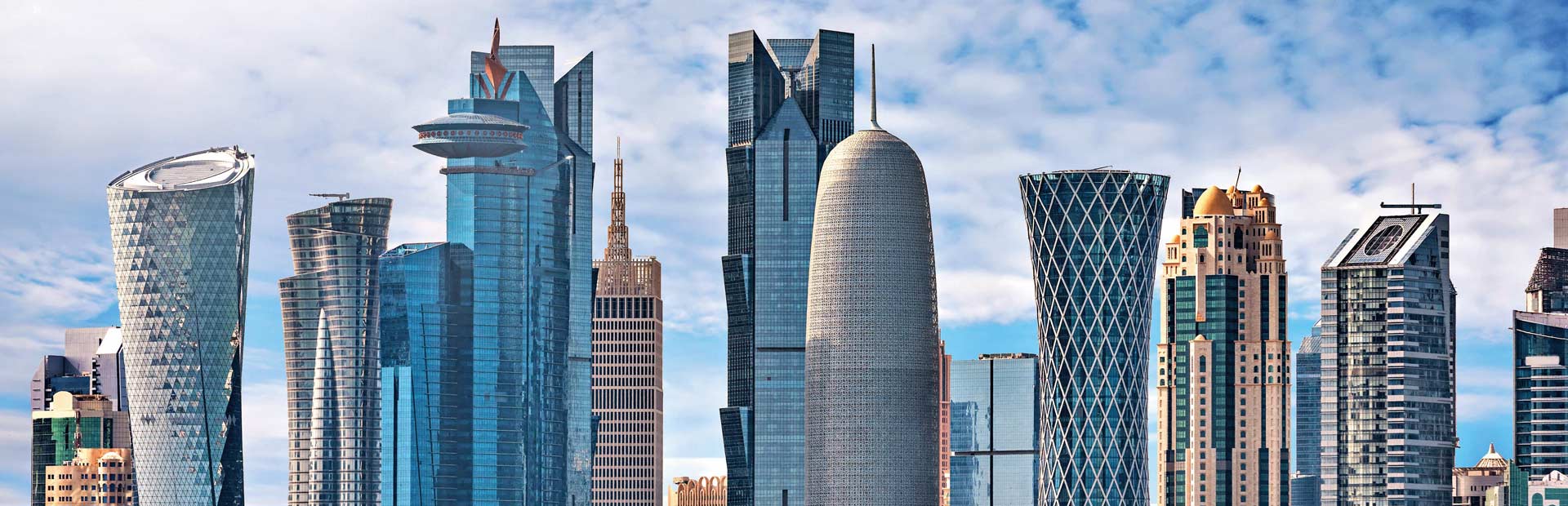

The remarkable performance of sustainable construction

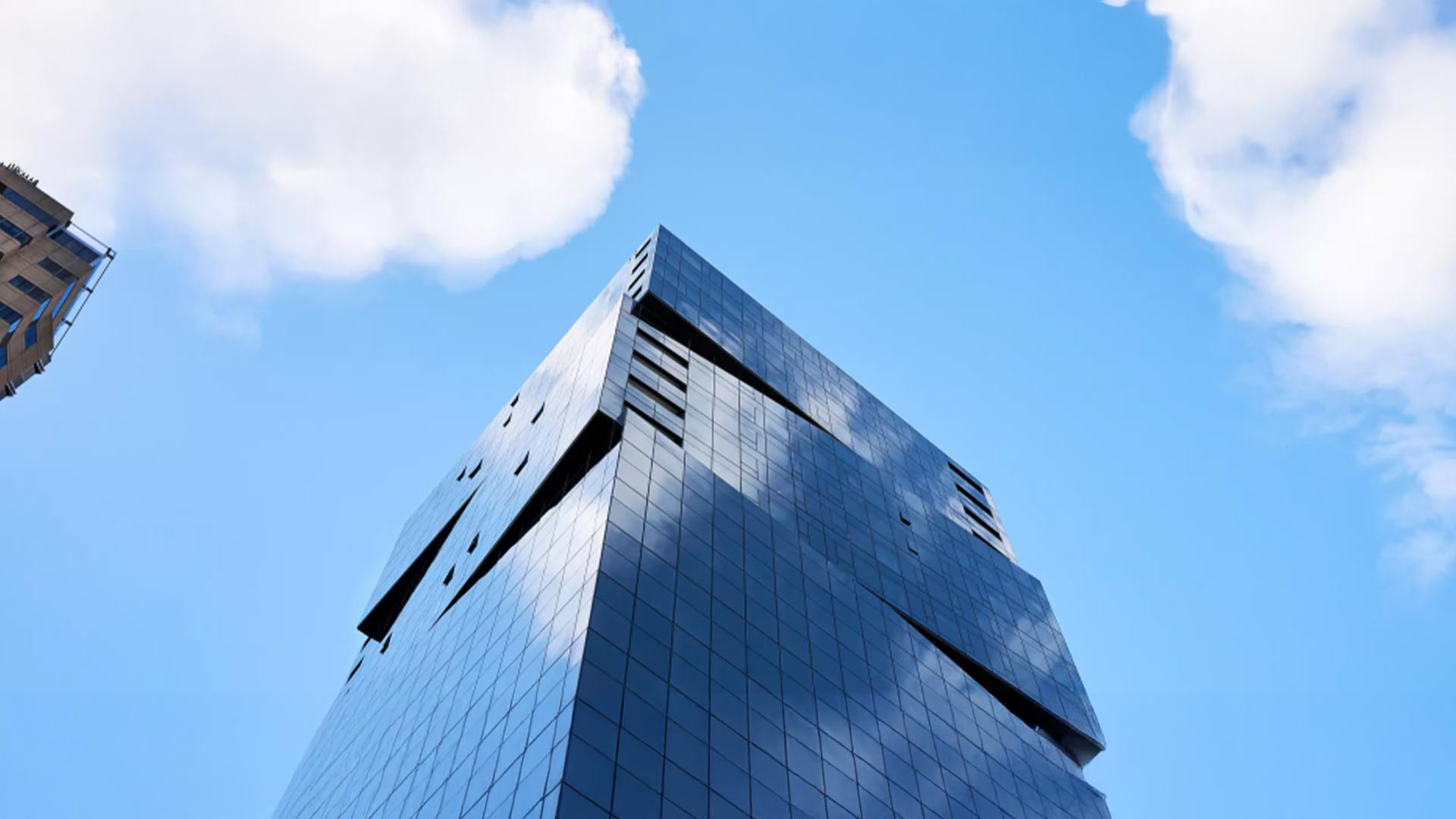
THE HAUGEN PAVILION IN LONDON (UK). This building has a near-zero carbon footprint while offering iconic timber architecture that revitalizes the urban landscape.
 ›
Decarbonization
›
The remarkable performance of sustainable construction
›
Decarbonization
›
The remarkable performance of sustainable construction 
 6 min
6 min
Share

Écouter cet article
La version audio est fournie par Trinity Audio. Son activation dépose des cookies permettant de vous identifier de manière persistante. En savoir plus
The criteria for excellence in the sector now place sustainability at the heart of a new frame of reference: productivity, return on investment, compliance and differentiation. These four factors paint an unexpected picture for those who still associate ecology with compromise. From office towers to social housing, maritime bridges to wooden pavilions, construction projects that incorporate these principles demonstrate that they are not only better for the planet, but also faster, more cost-effective, and more attractive.
Key takeaway:To fully benefit from sustainable performance, several prerequisites must be met: smart design from the earliest stages, adaptation of construction processes, upskilling of teams, and increased collaboration between stakeholders. When these conditions are met, sustainable construction surpasses conventional standards in terms of productivity, profitability, resilience, and quality of use.

CATALYST FOR PRODUCTIVITY
40% time saved, 90% less waste: lightweight, modular construction is transforming building sites.
A study published by Swiss scientific publisher MDPI in 2024 on projects in Brazil also shows that the combination of off-site construction and Building Information Modeling (BIM) reduces overall costs by 6%. This revolution is based on a reversal of the traditional model. Components are manufactured in the factory under controlled conditions, then assembled on site with precision down to the nearest millimeter. Digital tools further enhance this efficiency: BIM coordinates the various trades by anticipating conflicts, while virtual reality solutions such as acoustic simulations allow architects to validate their choices even before the first shovel hits the ground. From residential projects to large-scale facilities, lightweight systems (metal frames, drywalls, prefabricated façades) speed up construction without compromising thermal or acoustic performance.
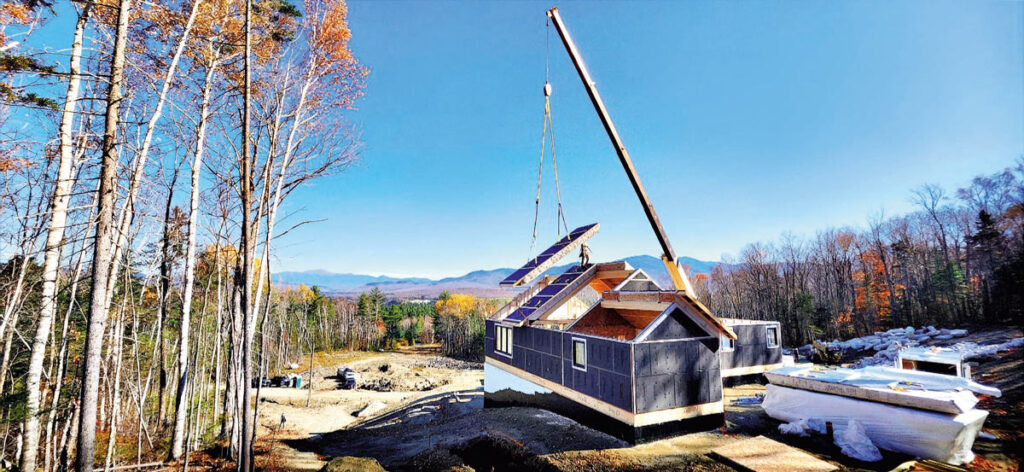
On this housing project in New Hampshire (United States), the prefabrication solutions developed by ONE PRECISION ASSEMBLIES help reduce construction time by 30% to 50%. Floors, walls, and roofs are manufactured in a factory and then assembled on site, an approach that helps improve execution reliability, limit material waste, and address the challenges of labor shortages, schedule pressure, and the growing complexity of construction sites.
BETTER RETURN ON INVESTMENT
Sustainable buildings generate up to 30% total savings over forty years.
70% of a building’s costs are incurred after its delivery. This reality requires us to think about the entire life cycle, not just the initial investment. An analysis published in 2024 by ResearchGate established that sustainable buildings generate up to 30% total savings over forty years, with maintenance costs reduced two to threefold.
The WorldGBC confirms this trend: certified buildings have a 7% higher property value, 8-9% lower operating costs, and an average return on investment of seven years.
This type of performance is based on solutions that are designed to last. Dry construction solutions, technical glazing, and high-performance insulation systems require less maintenance, are easier to repair, and retain their properties for longer.
7%
That is the increase in property value observed for certified buildings, according to the World Green Building Council.

And sustainable performance extends to the end of life of the building. The transition from total demolition to selective dismantling optimizes decommissioning costs, reduces landfill waste, and recovers valuable materials. Lightweight façades, partition systems, and removable ceilings facilitate this circular approach, transforming what was once a cost into an opportunity for reuse.
SAFER BUILDINGS
Certified performance is the bedrock of trust.
Fire resistance, sound insulation, thermal efficiency: each property undergoes rigorous testing and third-party validation. These guarantees go well beyond simple regulatory compliance to ensure the protection of occupants and the durability of structures over several decades.
Also Read: Better protecting ourselves: the key role of construction codes and standards
In the face of seismic constraints, salt corrosion, and intense mechanical stress, certified materials offer a proven technical solution. Rigorous compliance does not slow projects down: it secures them and enhances their value for both investors and end users.
MAKING SUSTAINABILITY DESIRABLE
Low-carbon materials do not impair the esthetic appeal.
Low-carbon glazing, custom-textured façade renders, modular cladding systems: sustainable solutions broaden the creative palette for architects. This freedom of form is coupled with economic performance: attractive, well-designed buildings rent and sell for higher prices, experience fewer vacancies, and enhance the appeal of the area.
In London, the Haugen Pavilion has a very low carbon footprint while offering iconic timber architecture that revitalizes the urban landscape (see hero visual). Stockholm Wood City goes further: this ambitious project, comprising 2,000 homes and 7,000 offices has reduced carbon emissions by 40% and shortened construction times by 25%, while offering a distinctive visual identity based on biophilic design and the use of timber.
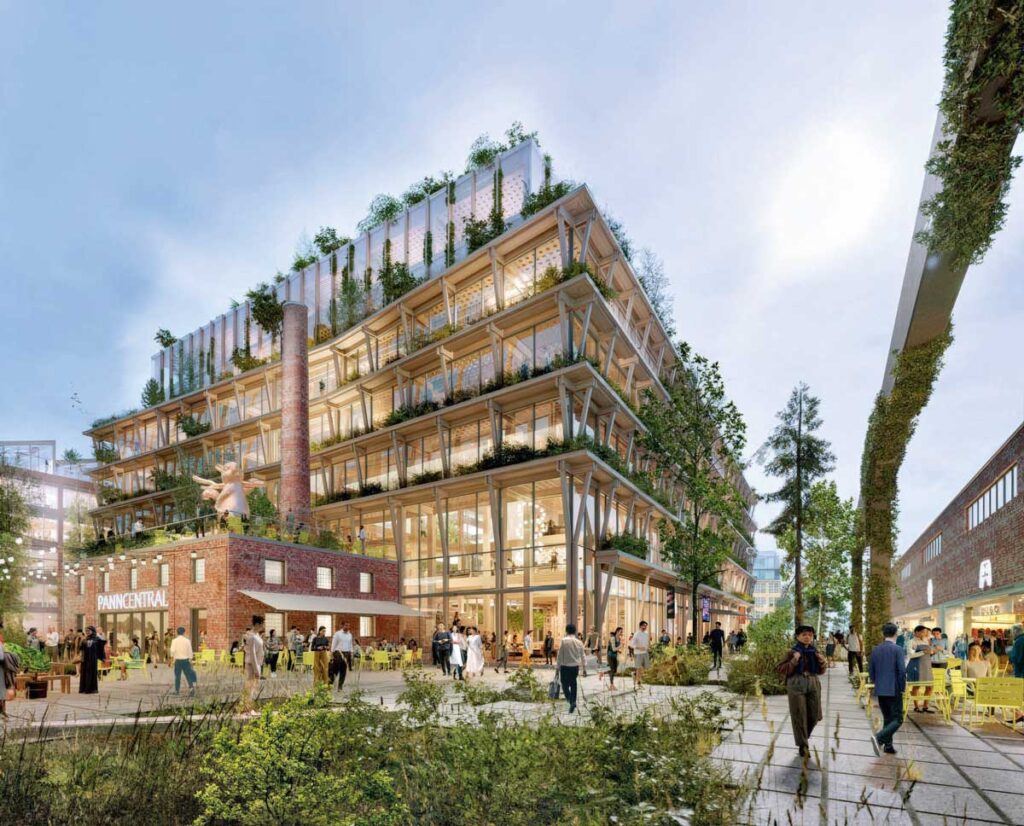
Stockholm Wood City (Sweden). This project has reduced carbon emissions by 40%, created 10,000 jobs, and shortened construction times by 25%, while offering a distinctive visual identity based on biophilic design and the use of timber.
ConclusionHigh-performance construction, throughout its entire life cycle and serving users and the planet, is no longer a utopian dream. It is a measurable, reproducible, and accessible reality. If sustainable solutions are not spreading more quickly, it is not for lack of evidence but because of persistent obstacles linked to inertia in practices, lack of training, and the siloed organization of the sector.
Also Read: Comfort and Health: A Few Key Figures