
« Shaping cities requires long-term thinking. » – Jeanne Gang

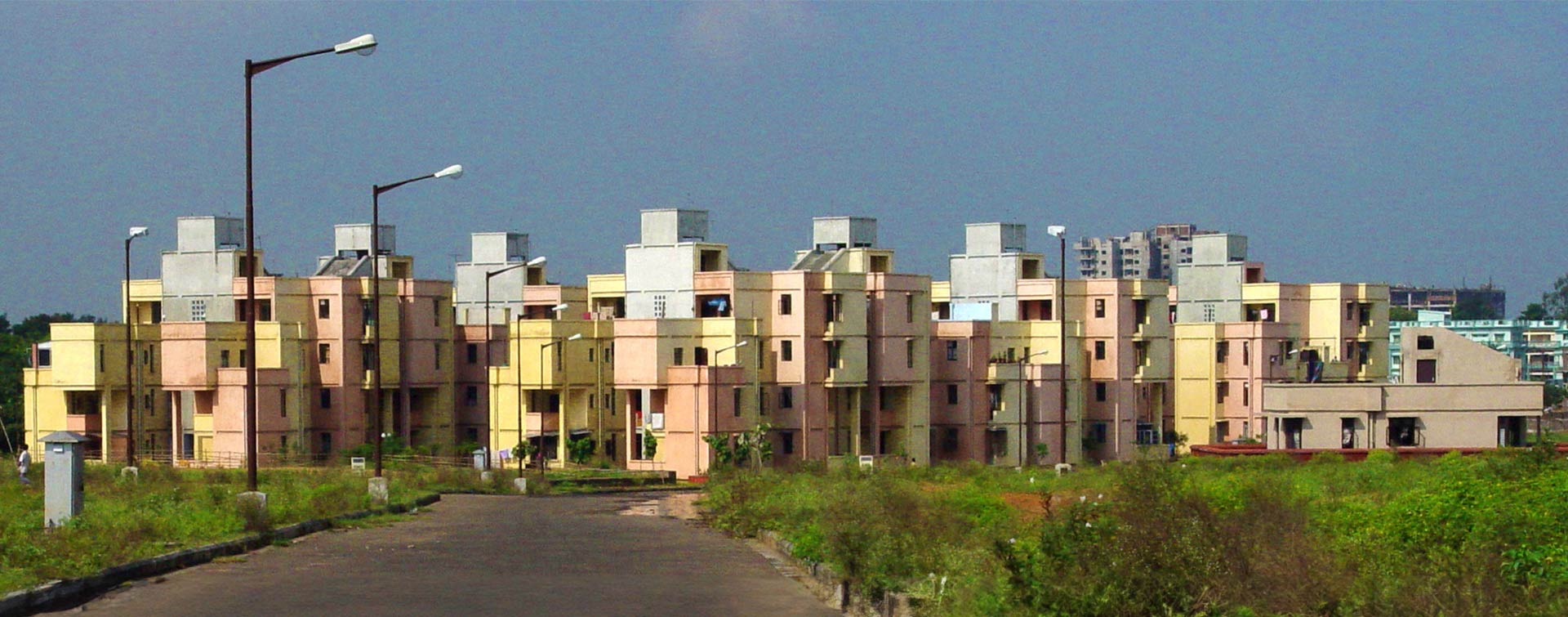
Q Residences, Amsterdam (Netherlands). Deep, angled balconies give every resident access to outdoor space, fresh air and abundant natural light, while providing shade to the apartments below. Combined with passive environmental design and energy-efficient envelopes, the project shows how residential buildings can respond to climate while fostering a more open relationship with the city. Credit: Ossip van Duivenbode
 ›
Quality of living
›
« Shaping cities requires long-term thinking. » – Jeanne Gang
›
Quality of living
›
« Shaping cities requires long-term thinking. » – Jeanne Gang 

Share

Écouter cet article
La version audio est fournie par Trinity Audio. Son activation dépose des cookies permettant de vous identifier de manière persistante. En savoir plus
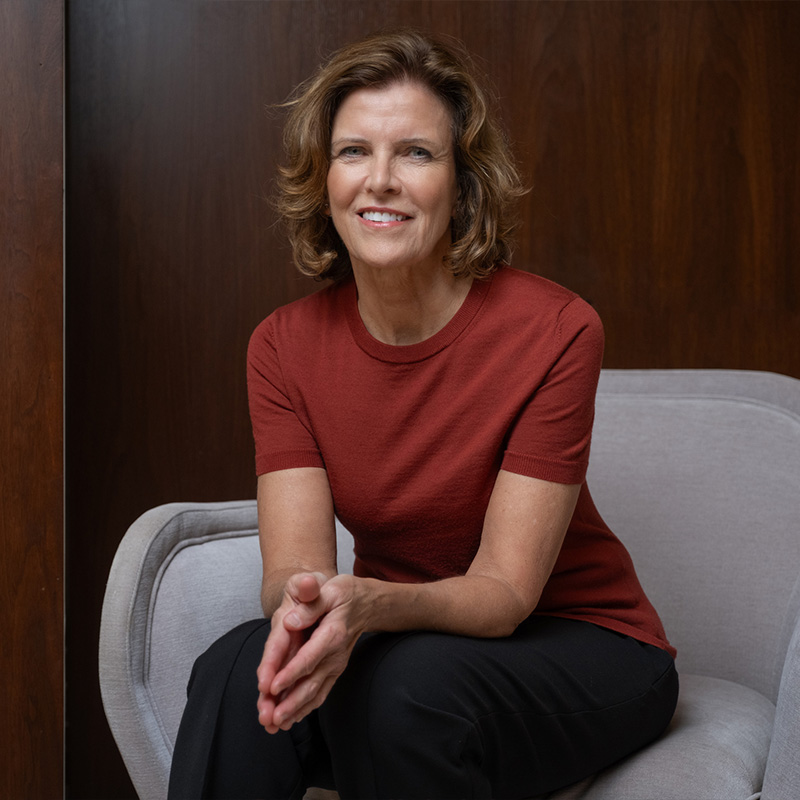
Jeanne Gang has built an international reputation for an approach that connects architecture, cities and the natural world. Founder of Studio Gang, a MacArthur Fellow, she has designed landmark projects ranging from Chicago’s skyscrapers to major cultural and civic buildings. For The Architect in the City, she shares a distinctive vision of the sustainable city in which buildings can support both human life and urban biodiversity.

What is your personal relationship with cities? What makes a city a place where you enjoy living?
Having always loved nature, what I value most is having access to biodiverse nature within the city. I go out every day into Chicago’s parks, among the buildings and along the lake. And when I’m in Paris, I often go early in the morning to the Luxembourg Gardens to watch birds. I really love that connection between nature and the city.
What are the main sustainability challenges that cities need to address?
As populations grow and agriculture outside cities becomes increasingly intensive, biodiversity is under growing pressure. I think the city of the future needs to play a much greater role in supporting biodiversity — not only for other species, but for the people who live there. Covid showed us how essential access to nature can be for city dwellers, particularly for children who may have little access to natural environments outside the city.
That means going beyond formal parks or simply planting trees. We need to create functioning habitats throughout the city, making space for different species in public spaces and within buildings themselves. This requires architects to understand how ecosystems work and to collaborate with ecologists and biologists.
The goal is to create urban spaces that support biodiversity while also making the city a richer place for its inhabitants.
How do cities influence your work as an architect? How do you take into account the context, identity, and resources specific to the city in which you are working?
My first projects were community centers in different Chicago neighborhoods, and they taught me how important it is to engage directly with the people who will use a building. By talking to them, you often learn something you never expected, and that can become part of the design.
So I usually begin a project with research and engagement. In a place that is new to me, I start at the larger scale, understanding its history, its architectural character and its culture, and then gradually move closer to the specific site.
We look at available materials, how people build, the local climate and ecology, and how the building will actually be used. We gather all this information and then ask which issues are most important for that particular project.
Ultimately, the aim is to draw information from the place and from the people and create a design that fits into the story of that place.
To what extent can architects help shape a city?
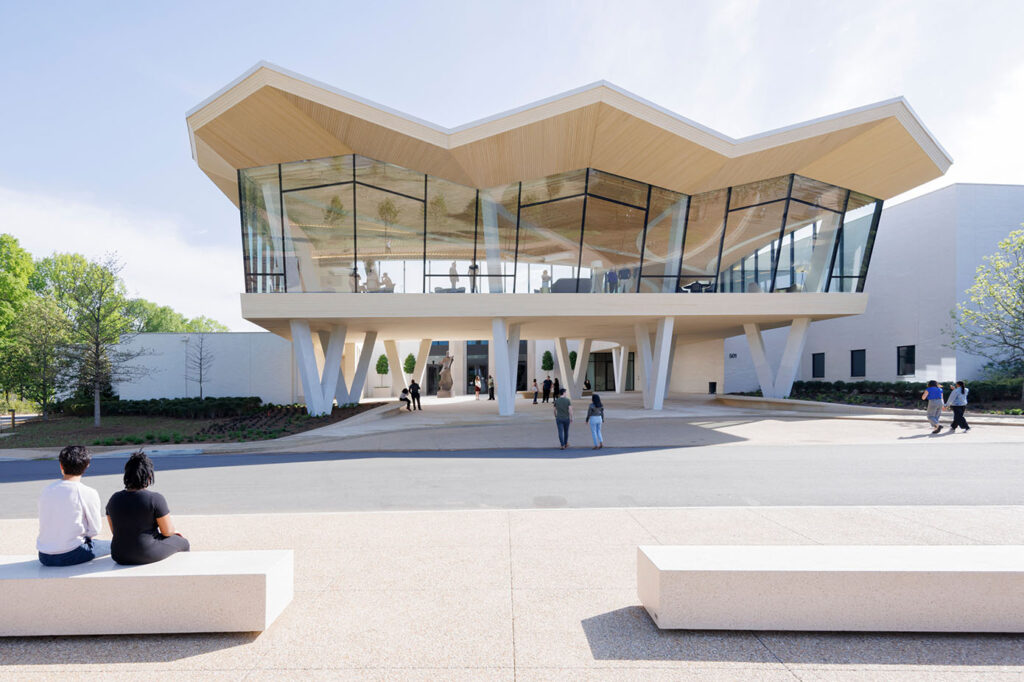
I always try to articulate what a project can contribute to the bigger picture. A project has to work and be compelling in its own right, but it can also demonstrate that something can be done differently. It might show, for example, that a certain type of building can be constructed in timber. In that sense, architecture can contribute to a broader sustainability objective by setting an example.
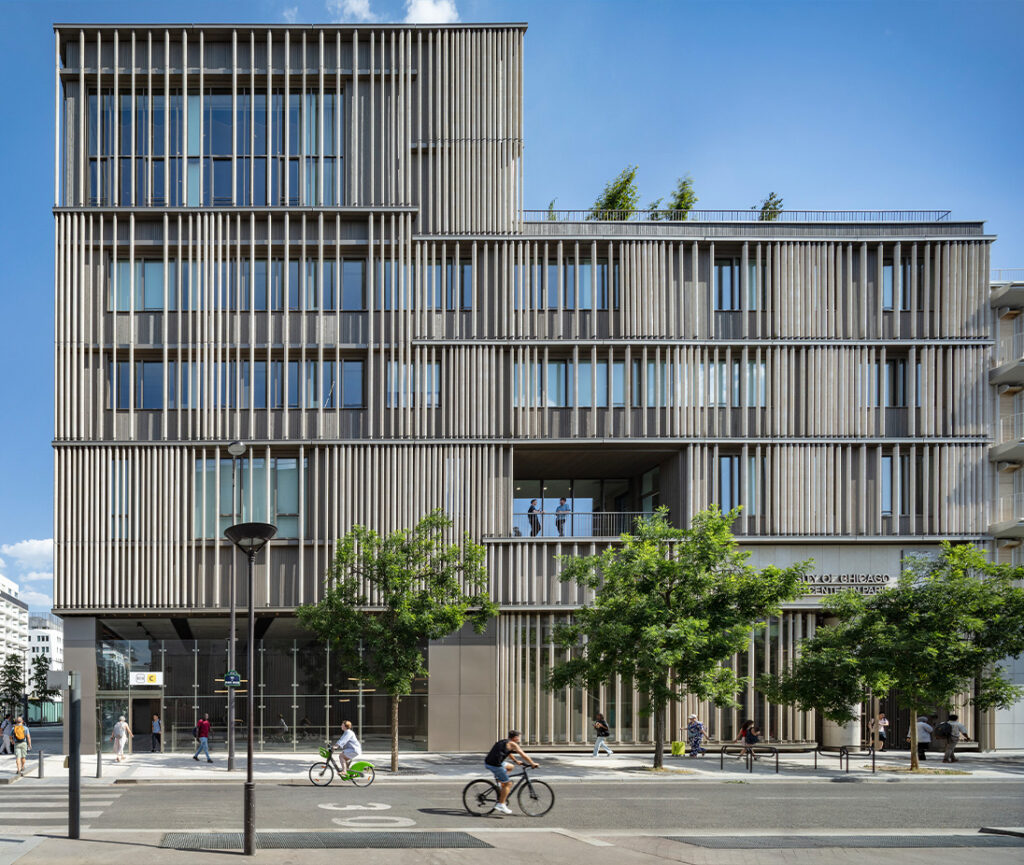
That means challenging the way buildings are typically designed. In our residential towers, for example, there is often pressure to create completely sealed buildings. We take a different approach, designing façades that give people some control over natural airflow and allow them to move between inside and outside.
For me, the challenge is to design façades that work with the climate rather than simply isolate us from it: providing strong thermal protection when closed, while remaining operable to allow fresh air and access to the outdoors. At the scale of a city, this connection between buildings and their surroundings can contribute to a more open and livable urban environment.
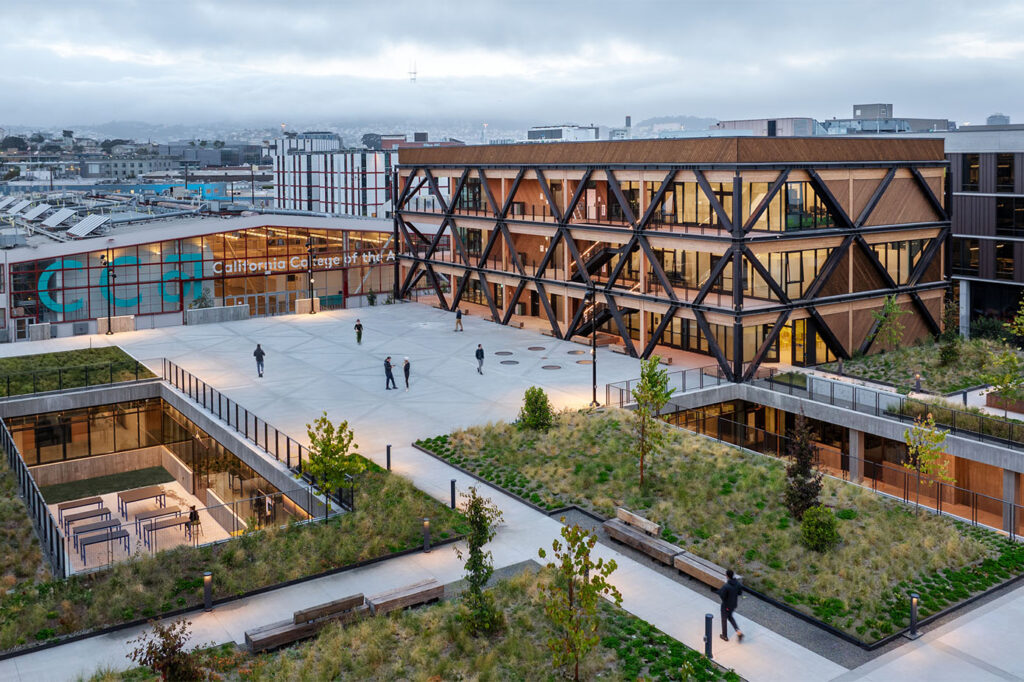
To what extent can architects help shape a city?
We need to bring the different people who shape cities together around a shared vision for the future.
Architects and landscape architects, for example, need to work much more closely together and think about the city as a whole system, rather than treating buildings and landscapes as separate entities. This is particularly important as cities respond to climate change.
We also need stronger dialogue with political leaders. They understandably have to respond to voters and their immediate concerns, but shaping cities requires long-term thinking, which can be difficult when administrations change and priorities are driven by the short term.
Listening to citizens is essential, but shaping cities also means looking beyond immediate concerns and helping people understand the challenges ahead. If we want to build support for long-term change, citizens need to be part of that process and have access to the knowledge behind it.
This is one reason Studio Gang creates exhibitions for the public, such as the current Flyway City at the Chicago Architecture Center, to make these issues accessible and enable people to become advocates for positive change.