

The Architect in the City

The Obama Presidential Center in Chicago (United States): find out more in our interview with Monica Chadha.

 3 min
3 min
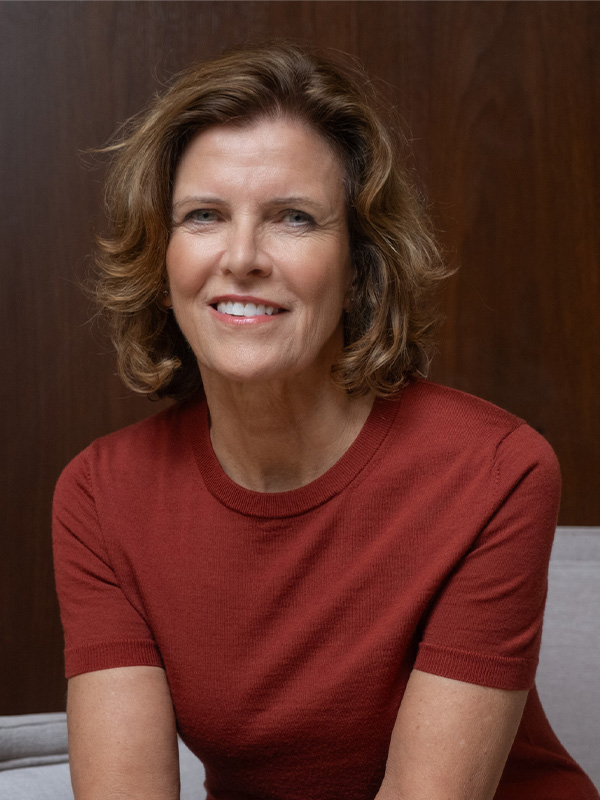
« Shaping cities requires long-term thinking. » – Jeanne Gang
One of the most influential architects of her generation, Jeanne Gang has built an international reputation for an approach that connects architecture, cities and the natural world. Founder of Studio Gang, a MacArthur Fellow and a member of the TIME 100, she has designed landmark projects ranging from Chicago’s skyscrapers to major cultural and civic buildings. For The Architect in the City, she shares a distinctive vision of the sustainable city: one designed not only for people, but for all living species.

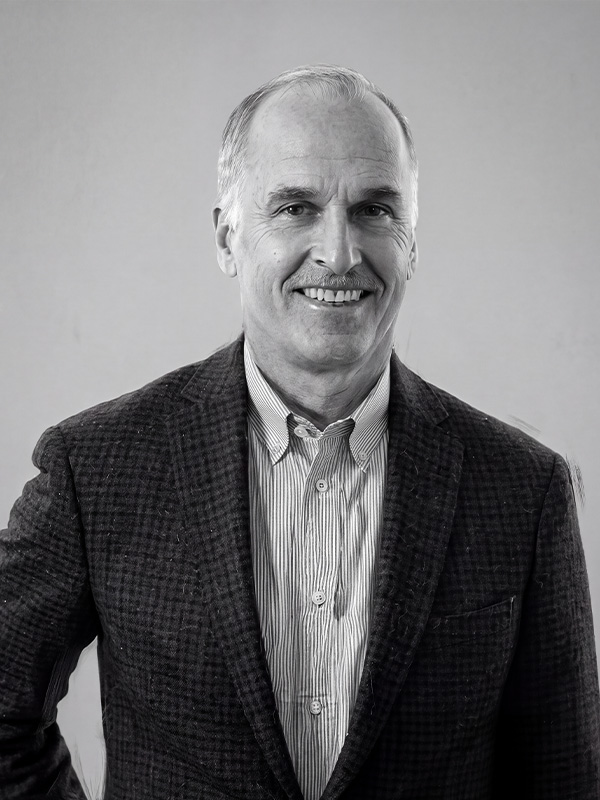
“How can we work with the resources already present in the city?” – Mark Sexton
For Mark Sexton, co-founder of Chicago-based architecture firm Krueck Sexton Partners, the answer lies in working with what is already there: existing buildings, infrastructure, natural systems and, above all, the social ecosystems that make cities alive. He advocates for architecture centered on reuse, experimentation, and connection. His appoach to sustainability is surprisingly simple: to create places people love enough to preserve.
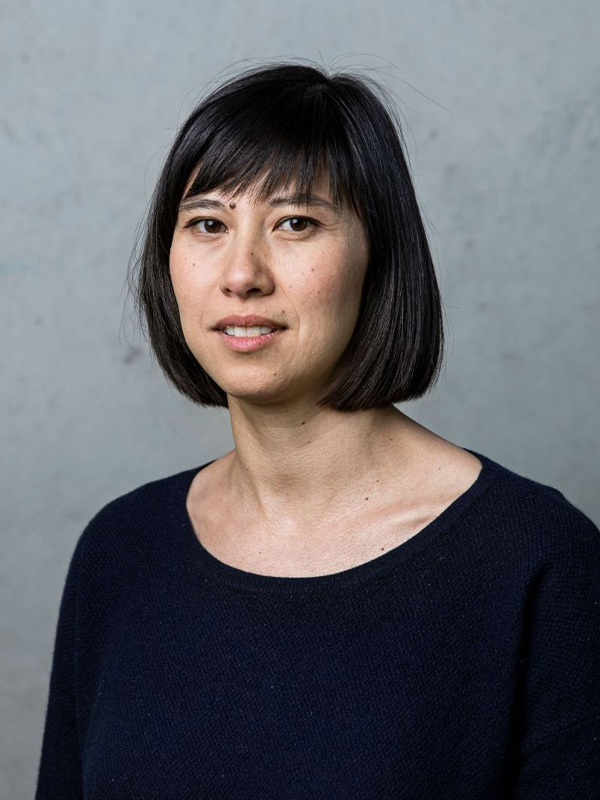
“Today, the first challenge is simply that of habitability.” – Sonia Vu
For French architect Sonia Vu, a partner at Encore Heureux Architectes, the major challenge facing cities remains habitability, against a backdrop of climate change and social pressures. But she believes that, if we know how to transform them, cities can become true refuges for their residents. She sees this transformation as one that builds on what is already there: a territory’s resources and know-how, the engagement of its residents, as well as its memory.

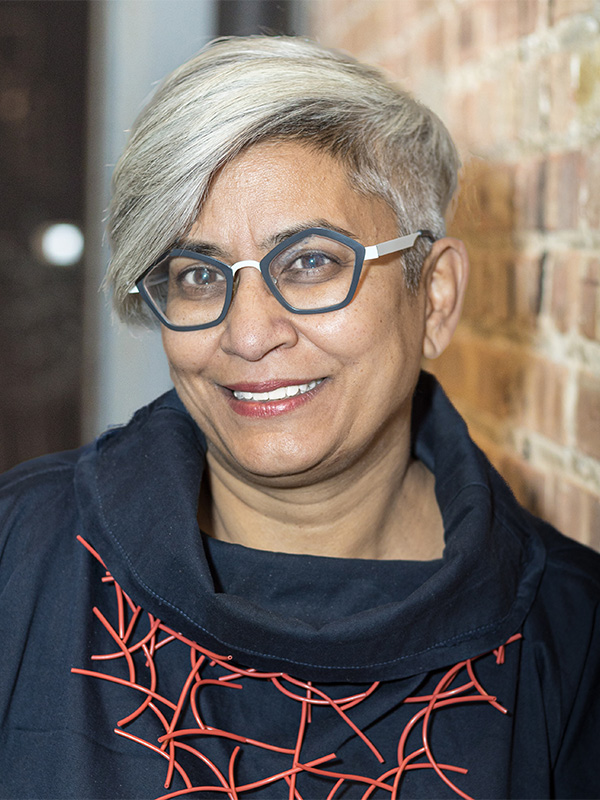
“Sustainable architecture must be designed at the neighborhood scale.” – Monica Chadha
For Monica Chadha, the architect’s role goes beyond designing buildings: it is about shaping the city and improving how people live in it. Founder of Chicago-based Civic Projects Architecture, she combines environmental and social sustainability with a strong focus on community needs. From adaptive reuse projects on Chicago’s South Side to the Obama Presidential Center Museum, her work shows how architecture can strengthen neighborhoods, create civic spaces and connect local communities to the wider world.