
 ›
Resilience
›
Episode 1: How is our transportation infrastructure becoming more sustainable?

 4 min
Share

Écouter cet article
La version audio est fournie par Trinity Audio. Son activation dépose des cookies permettant de vous identifier de manière persistante. En savoir plus
From Cairo to Vietnam and the United States, transportation infrastructure faces very different challenges. How can a monorail withstand extreme temperatures? How can an airport designed for up to 100 million passengers a year combine comfort and durability? And how can an ageing bridge extend its service life while optimizing material use? Three destinations, and three different approaches to greater resilience and performance. Let’s go.

Cette vidéo est hébergée par YouTube. En lançant la lecture, vous acceptez le dépôt de cookies par Google à des fins de mesure d’audience et de publicité. En savoir plus
Continue the Journey
Want to explore the topic further? Discover more inspiring transportation infrastructure projects in articles published on Constructing a Sustainable Future.
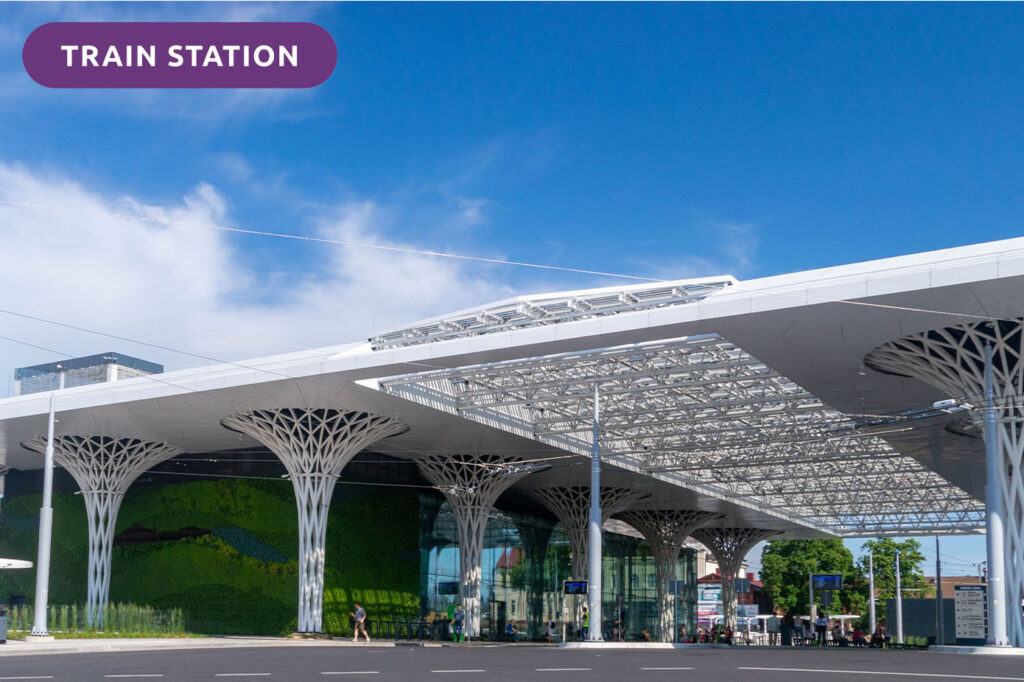
The Lublin station (Poland) combines geothermal energy, natural ventilation, a vertical garden, and smart thermal management to limit the need for air conditioning.
Read the Article:
Europe 2036: buildings can finally breathe despite the heat
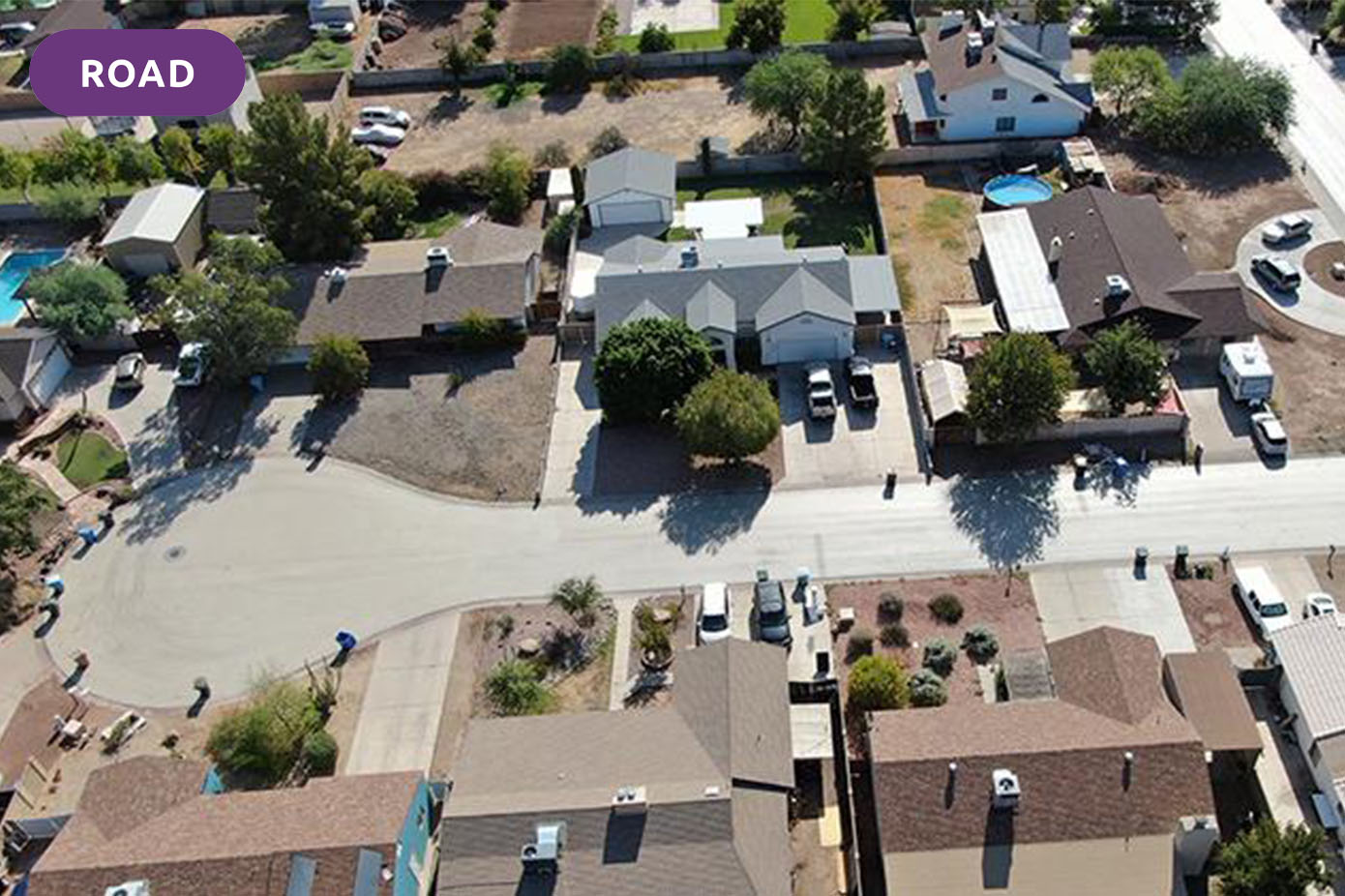
In Phoenix (USA), the hottest large city in the United States, the city’s Cool Pavement Program uses reflective coatings on road surfaces to reduce heat absorption. Research conducted with Arizona State University found that treated road surfaces can be up to 12°F (6.7°C) cooler than conventional aged pavement during summer daytime conditions. The City of Phoenix also reports that cool pavement may ultimately reduce long-term road maintenance needs and costs.
Read the Article :
How does chemistry give superpowers to infrastructure?
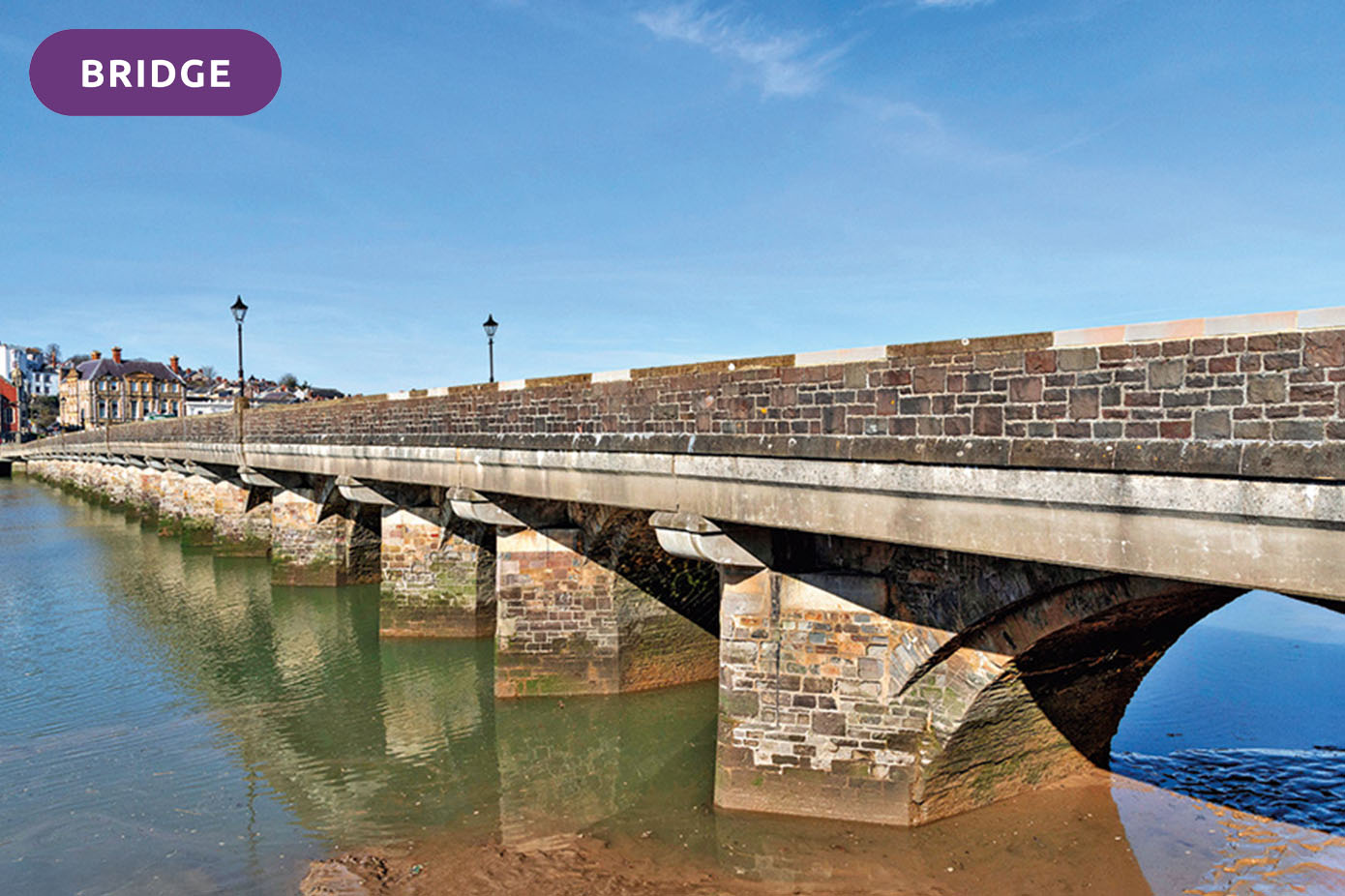
The Bideford Long Bridge (UK) underwent renovations that extended its lifespan by twenty-five years. The bridge suffered from corrosion of its metal reinforcements, surface spalling, and structural weakening. Fosroc was able to supply mortar and grouting compatible with the corrosion management system. The impressed current cathodic protection system now makes it possible to electrically control the corrosion of the steel reinforcement to halt its progression.
Read the Article:
Durable materials: 3 innovations that extend infrastructure lifespan
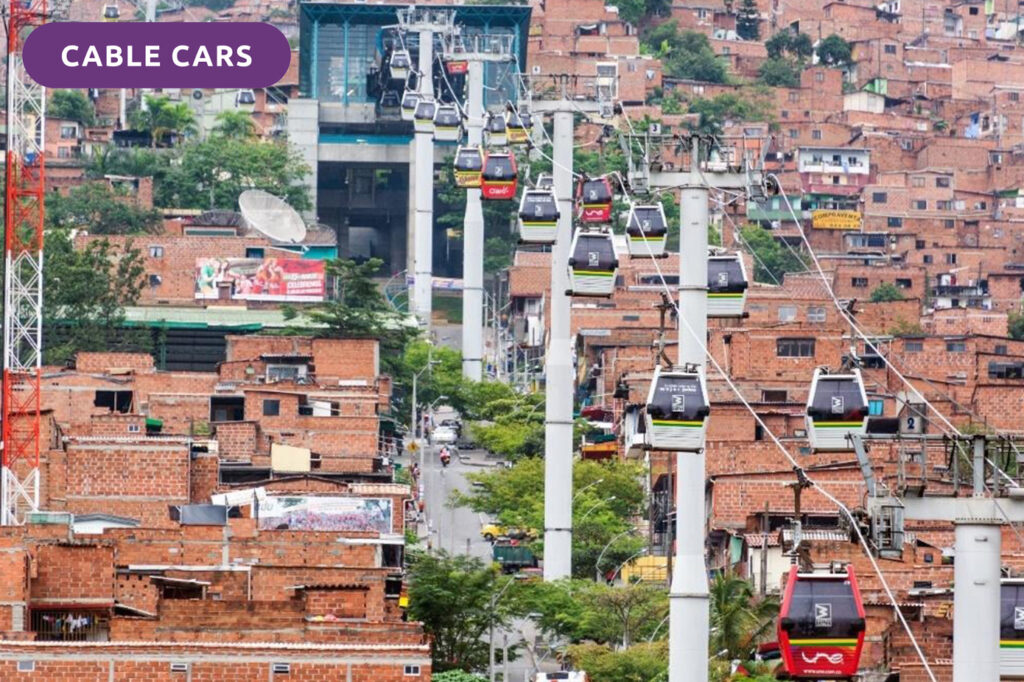
Connecting the neighborhoods of a city to reduce social inequalities: In the city of Medellín (Colombia), cable cars were built to connect the neighborhoods located on the hills to the rest of the city. This was accompanied by new architecture and adapted infrastructure.
Read the Article :
“In Latin America, sustainable construction can advance social justice.”