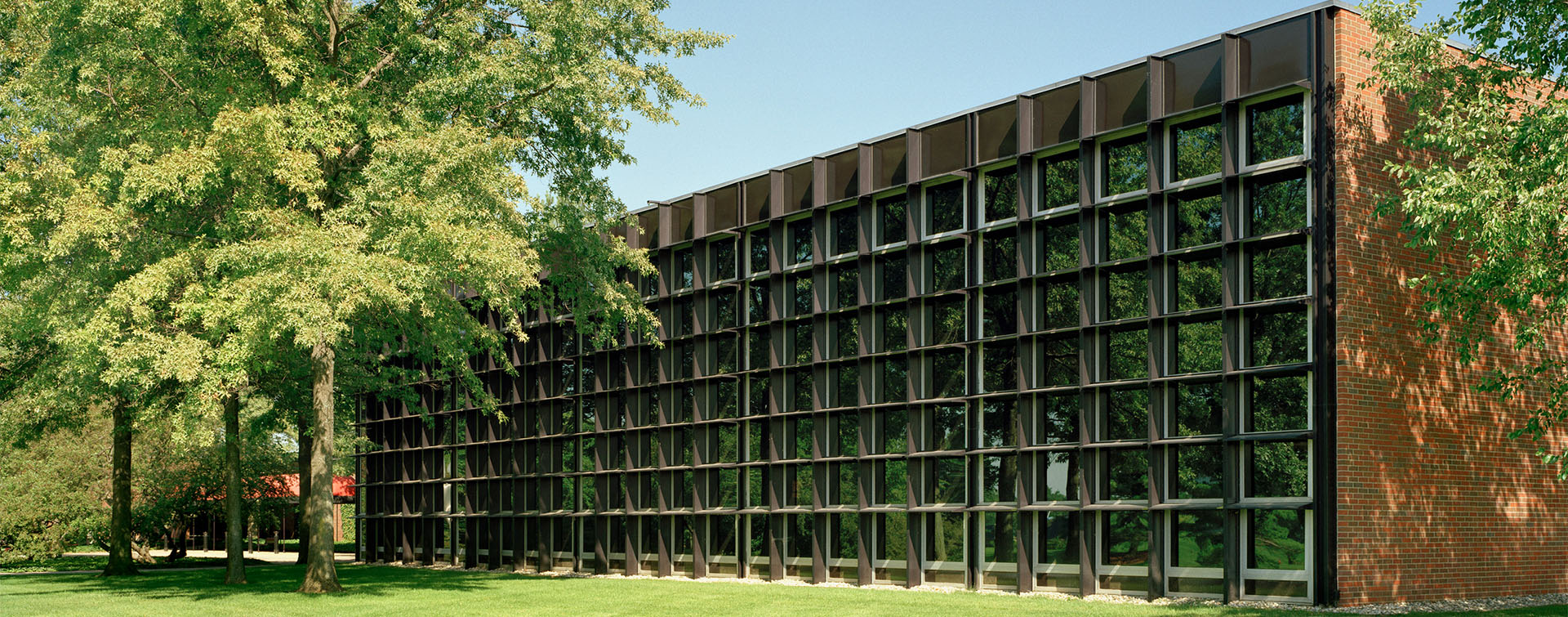

“Sustainable architecture has to be considered at the neighborhood scale.” - Monica Chadha

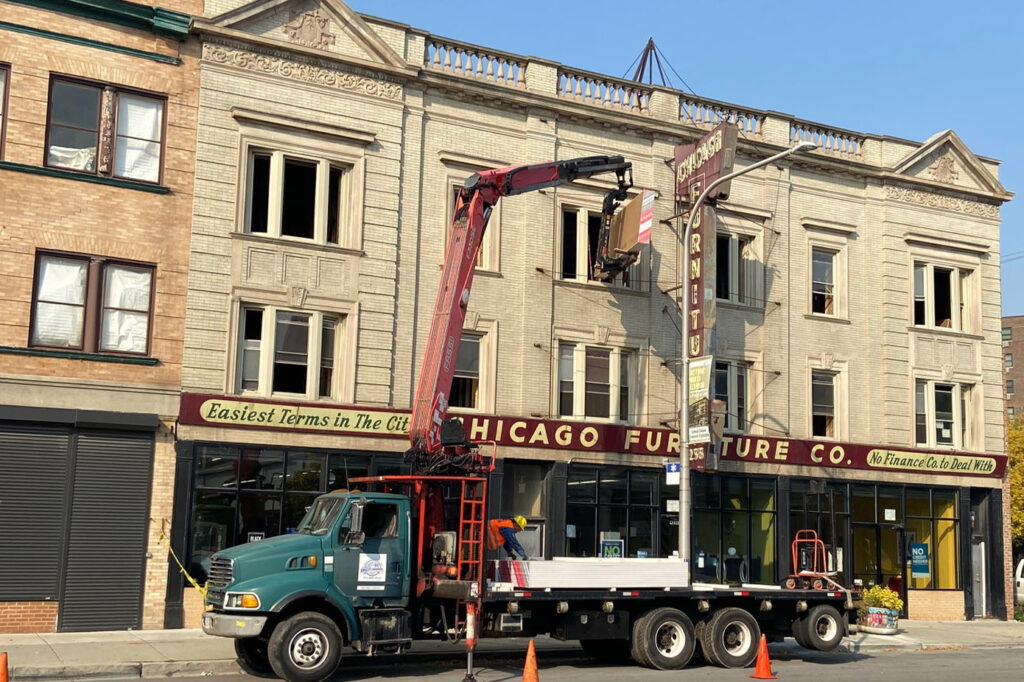
Mixed-Use Rehab, Bronzeville, Chicago. Rather than starting from scratch, Civic Projects is bringing ten previously abandoned apartments back into productive use above an existing furniture store that remains in operation.
 ›
Circularity
›
“Sustainable architecture must be designed at the neighborhood scale.” – Monica Chadha
›
Circularity
›
“Sustainable architecture must be designed at the neighborhood scale.” – Monica Chadha 
 10 min
Share


Écouter cet article
La version audio est fournie par Trinity Audio. Son activation dépose des cookies permettant de vous identifier de manière persistante. En savoir plus
For Monica Chadha, the architect’s role goes beyond designing buildings: it is about shaping the city and improving how people live in it. Founder of Chicago-based Civic Projects Architecture, she combines environmental and social sustainability with a strong focus on community needs. From adaptive reuse projects on Chicago’s South Side to the Obama Presidential Center Museum, her work shows how architecture can strengthen neighborhoods and connect local communities to the wider world.

What is your personal relationship with cities? What makes a city a place where you enjoy living?
I grew up in Ottawa, Canada, and I have always loved dense, highly urban places with lots of people and activity. What matters to me is being able to move easily: to walk, use public transportation and find what you need within your own neighborhood.
That movement and proximity shape the way we experience the city. When you can move easily and find what you need close to home, it changes your relationship with friends and neighbors. It makes the city a place for encounters.
What are the main sustainability challenges that cities need to address?
One thing I learned several years ago is that sustainability is not just about the environment. Social sustainability is equally important, particularly in underserved neighborhoods, where much of our work takes place. The two are closely connected.
In housing, for example, improving insulation and energy efficiency not only reduces a building’s environmental impact; it also lowers energy and heating costs for residents.
For me, a building’s longevity is both environmental and social. It depends on how it is built — including using local materials whenever possible — but also on its ability to meet residents’ needs over time. The goal is to design buildings that can remain in use for decades without constantly having to be altered.
Also Read:
Green value in Europe: energy performance is a game-changer for the real-estate sector
How do cities influence your work as an architect? How do you take into account the context, identity, and resources specific to the city in which you are working?
First, as architects working in cities, we need to think beyond individual buildings. Citizens also need places to shop, eat, walk, meet and spend time. For me, sustainable architecture has to be considered at the scale of the neighborhood, not just the building.
It also means looking at what the city already has and how we can bring existing buildings back into productive use, rather than always starting from scratch. In Chicago, there are buildings that are still standing but no longer have a use. Giving them a new purpose can address both environmental and social sustainability.
Finally, engaging with local residents is essential. You cannot simply introduce a project into a neighborhood that incorporates the most advanced sustainable solutions and say, “It is sustainable.” Residents also need to feel invested in the project and develop a sense of ownership. When a place responds to their actual needs, they are more likely to use it, care for it, and help ensure that it remains relevant over time.
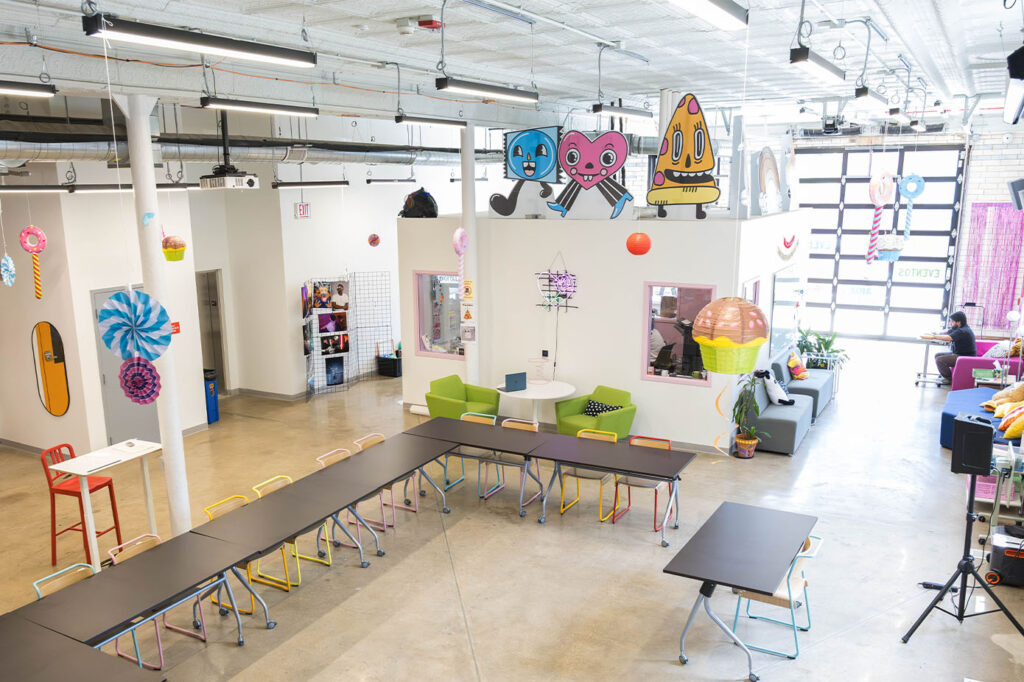
This is why many of our projects actually begin before there is a building. We talk to people and ask: What do you need? What is missing? What do you want to be able to do here? The architecture comes from understanding how people experience their neighborhood and designing spaces that can support their needs over the long term.
Also Read:
India: the challenges of an environmental AND social transition
To what extent can architects help shape a city?
I think architects can contribute to shaping cities in several ways. First, by working across different scales. A project can respond to the needs of a neighborhood while contributing to the city as a whole, and sometimes reaching much further, creating connections beyond the city itself.
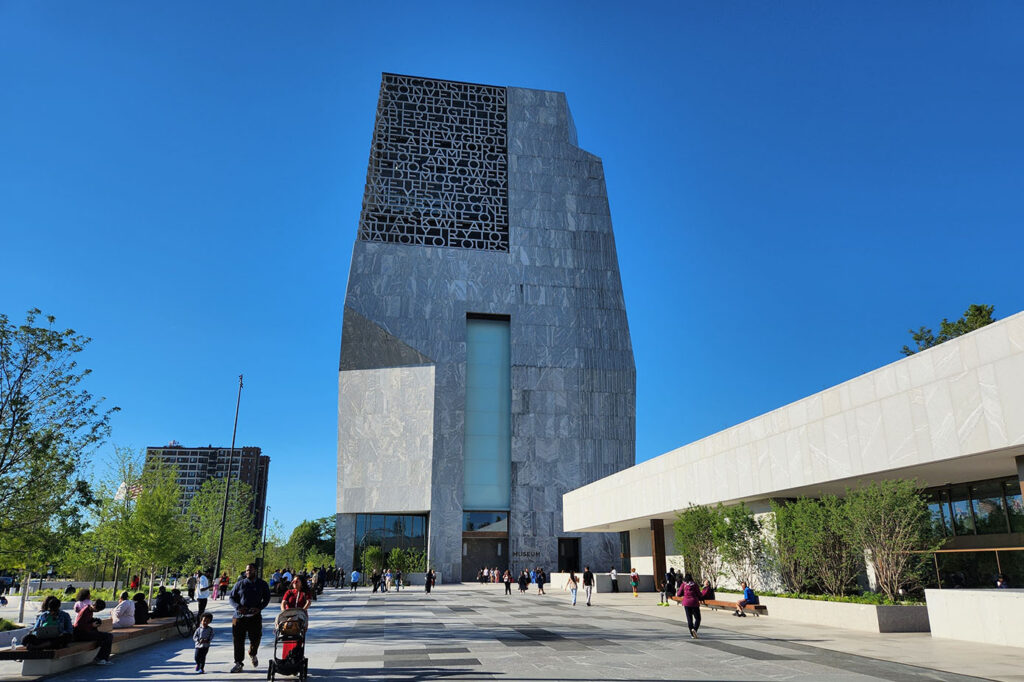
The Obama Presidential Center is a good example. The campus is deeply rooted in Chicago’s South Side, while also welcoming people from across the country and around the world. In this way, it can connect the neighborhood to a wider audience and create new connections between the local and the global.
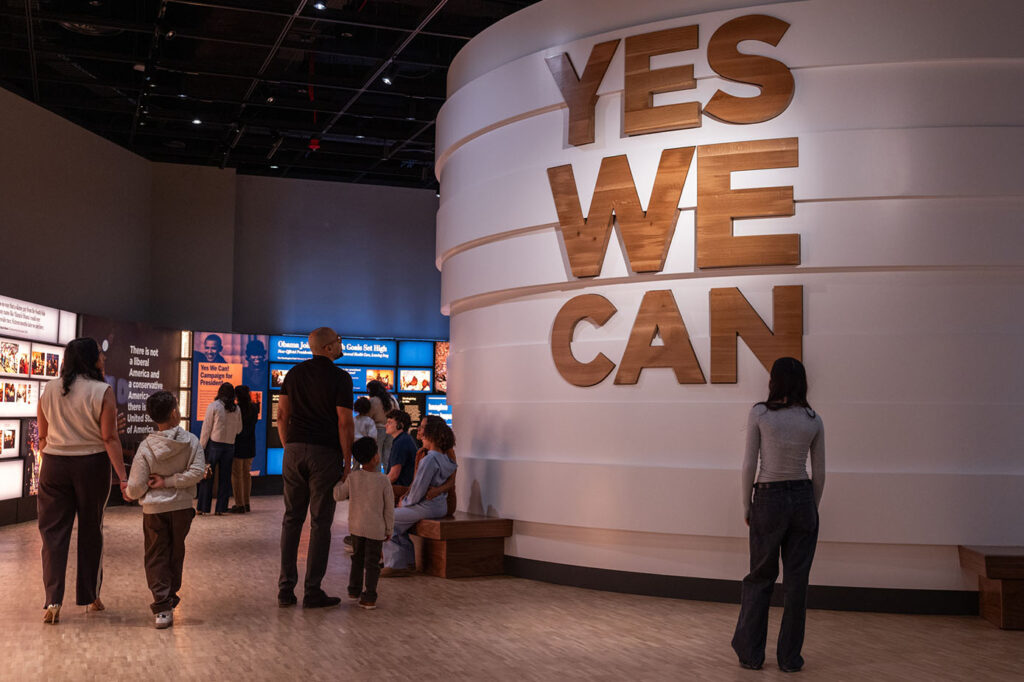
Architecture can also bring values into the physical fabric of the city. At the Obama Presidential Center, ideas of civic engagement, inclusion and collective responsibility have shaped the project from the outset. Workshops with high-school students and neighborhood residents explored issues such as empowerment, justice and equality.
The “Me to We” idea, moving from individual experience to collective engagement, is also translated into the Museum itself through inclusive design that makes these values tangible in the way people experience and use the space: content can be experienced through sight, sound, Sign Language and touch.
And finally, architects can help raise the sustainability standards of the cities they build in. By delivering projects with higher levels of performance in energy, water, materials or landscape, we can set new benchmarks and help push sustainable construction forward.
What do you need as an architect to fully play your role in shaping cities?
Sustainability has to be a shared responsibility across the entire construction process. As architects, we can design a high-performing building, specify the right insulation or glazing, but every actor involved needs to understand how their work contributes to the performance of the building as a whole. A small gap between the window and the wall, for example, can compromise the performance of the entire wall. We need to move beyond everyone simply being responsible for their own piece of the building.
The same long-term responsibility applies to developers. What is constructible and affordable today cannot be the only consideration. We also need to think about how materials and systems will perform over time, particularly when someone else will ultimately live in the building and pay the energy and heating bills.


Finance and regulation also have an important role in making sustainable choices possible. In Chicago, some programs help fund improvements such as electrification or insulation, but if residents have to pay upfront and wait to be reimbursed, many simply cannot afford to participate. We worked with a Community Investment Corporation program that paid the insulation contractor directly, removing that upfront barrier. That kind of mechanism can make a real difference. And sometimes regulation is necessary too: if we know housing needs to move toward electrification, for example, we have to question why new buildings are still being constructed with gas lines.
Finally, we need ways of measuring sustainability that better recognize the value of what already exists. Certifications can encourage responsibility, but they can also be challenging for adaptive reuse. On some of our projects, existing boiler systems were still working perfectly well. Keeping them meant losing sustainability points, while removing a functioning system and replacing it with a new electric one could have helped us achieve certification. Sometimes the responsible choice is not to replace something at all. How do we recognize the sustainability value of keeping what is already there?