
What does sustainable construction mean to the next generation of architects?

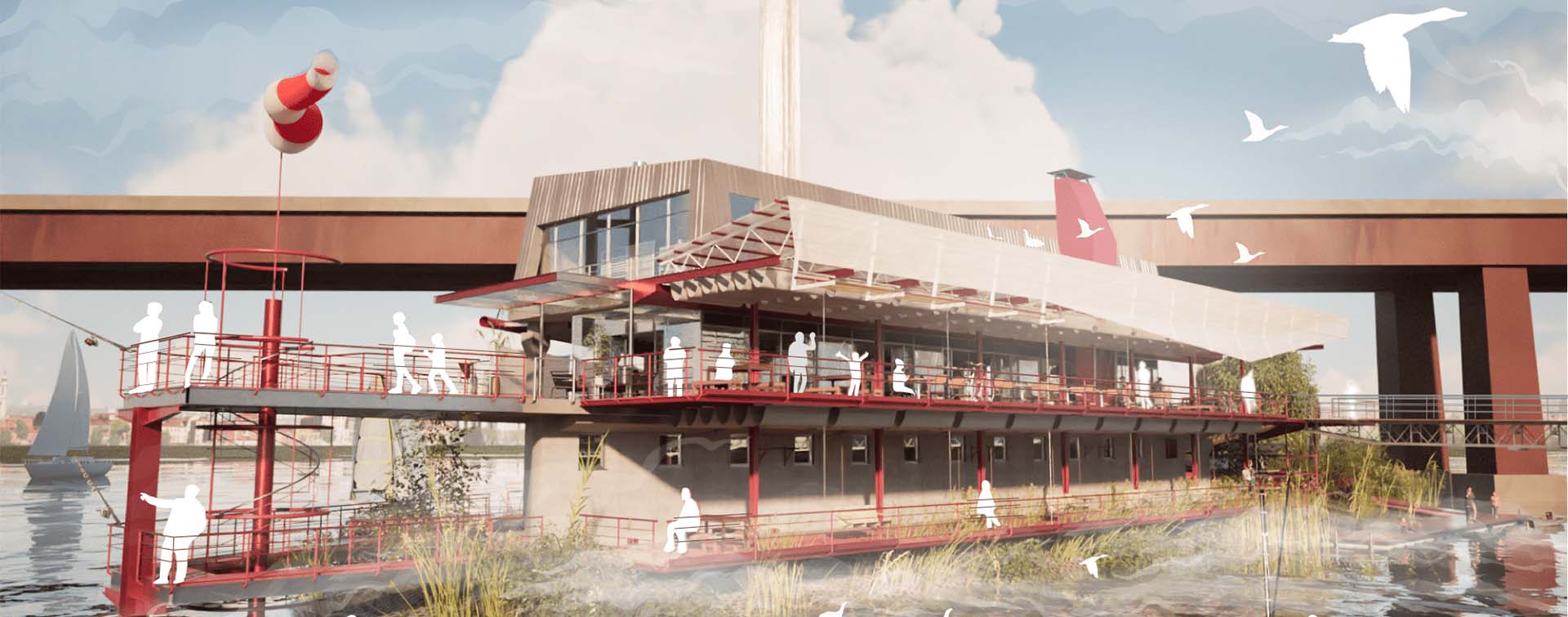
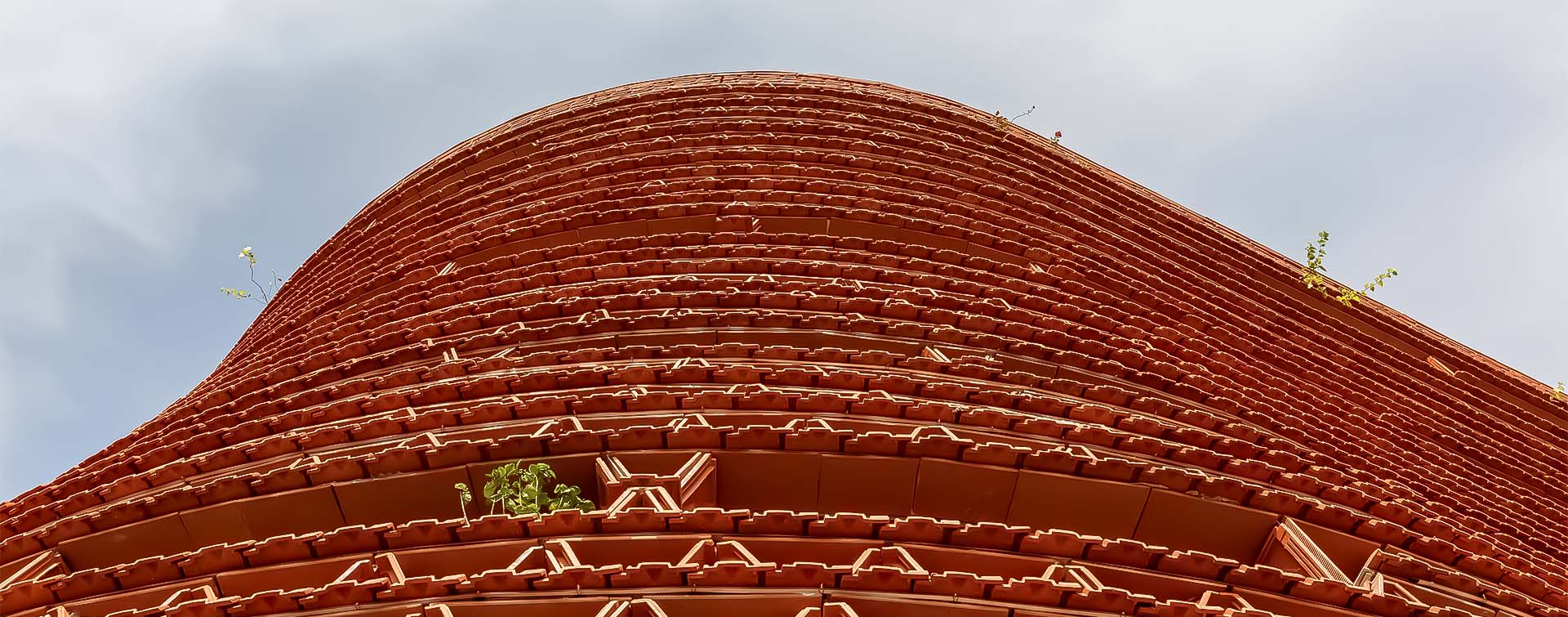
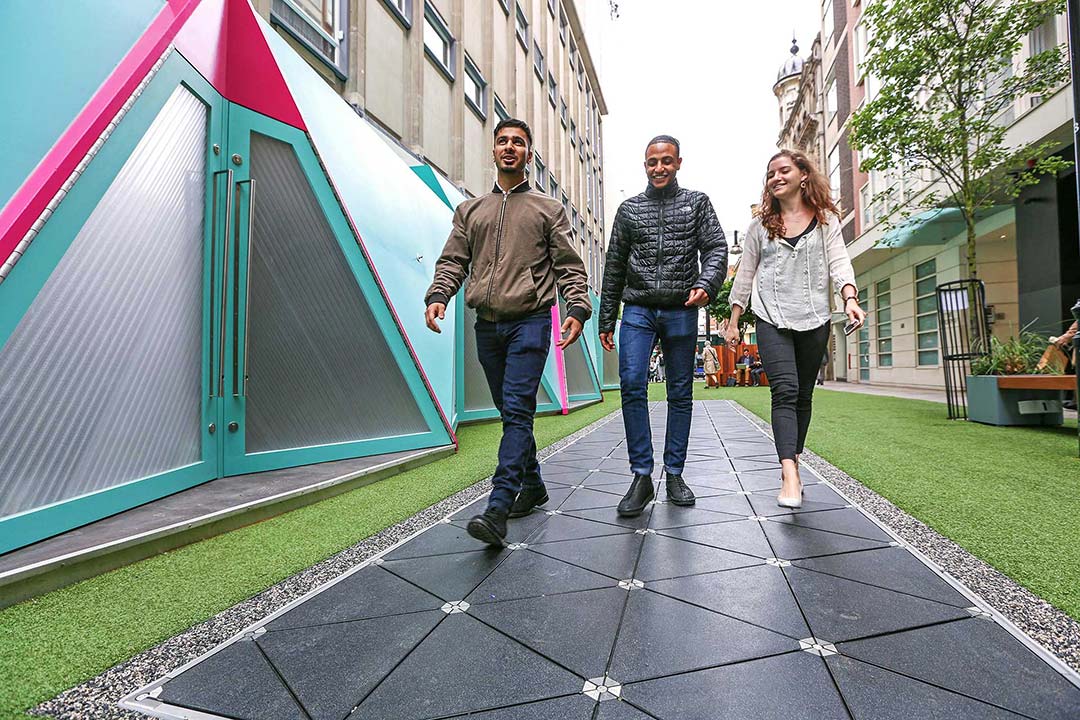
According to the architecture students interviewed, light construction plays a key role in the future of sustainable construction. Credit: David Papazian
 ›
Urbanization
›
What does sustainable construction mean to the next generation of architects?
›
Urbanization
›
What does sustainable construction mean to the next generation of architects? 
 6 min
6 min
Share

Écouter cet article
La version audio est fournie par Trinity Audio. Son activation dépose des cookies permettant de vous identifier de manière persistante. En savoir plus
Sustainable construction is about far more than reducing carbon emissions. The perspectives shared by students attending the Villa Albertine Summer Academy highlight the diversity of challenges shaping the built environment, from resilience and renovation to comfort, demographic growth, and community engagement.
Their reflections also provide an opportunity to revisit a “Best Of” selection of Constructing a Sustainable Future articles exploring these issues in greater depth.

Exploring the link between architecture and well-being
With Calvin Heimberg, Master of Architecture at Georgia Institute of Technology, Atlanta (USA)

“With architecture specifically, we’re focused on how spaces and buildings shape the interactions people have and the things they think. Really creating opportunity for creativity that other people can expand.”
Calvin’s perspective reminds us that buildings do more than provide shelter: they influence how people feel, interact, and thrive. Sustainable construction is therefore not only about environmental performance, but also about creating spaces that support well-being, creativity, and quality of life.
To explore this issue further, discover our Best Of selection:
- “Figure Out” video series episode 4: Comfort
- Quality of life and the environment: The same battle
- “Healthy buildings are the new frontier of public health”

Exploring the importance of performance and resilience over time
With Inès Ben Yarou, Master at l’ENSA Paris-La-Villette

“Sustainable construction is something that can stand the test of time and that will be used for many years, upholding the same performance.”
Inès’ reflection reminds us that sustainability is not only about how a building performs today, but also about how it will perform tomorrow. In a context of climate change and growing environmental risks, sustainable buildings must be designed to maintain their performance over time while remaining resilient to evolving climatic conditions, ensuring long-term value for both occupants and communities.
To explore this issue further, discover our Best Of selection:
- Adaptation and resilience: Be proactive
- Towards greater adaptation and resilience: the essential role of the insurance sector
- 5 ways to immediately increase cities’ resilience capacity

Exploring the challenges of population growth and social housing
With Cherita Gnassounou-Akpa, Master at l’ENSA Paris-Malaquais-PSL (France)

“There are high expectations regarding population growth in West Africa in the next twenty years. For me sustainability could mean anticipating that growth through intelligent, resilient, and innovative housing for the people that will inhabit this region.”
Cherita’s reflection highlights one of the major challenges facing many regions of the world: accommodating growing urban populations while ensuring access to decent, affordable, and sustainable housing. As cities continue to expand, sustainable construction will play a critical role in reconciling demographic pressures with quality of life and resource efficiency.
To explore this issue further, discover our Best Of selection:
- Quality of life: When demographic realities come into play
- “Sustainability and social responsibility must go hand in hand.”
- “In Latin America, sustainable construction can advance social justice.”

Exploring the role of communities in shaping the built environment
With Peterley Dorcius, Master’s in Architecture at the University of Miami, Florida (USA)

“Architecture is not just about designing more buildings; it’s also about teaching. In my country, Haiti, I think a lot of the issues from the earthquake would have been solved if locals had known more about architecture.”
Peterley’s reflection highlights a crucial dimension of sustainable construction: empowering people to understand, participate in, and influence the decisions that shape their living environments.
To explore this issue further, discover our Best Of selection:
- India: The challenges of an environmental and social transition
- Keynote interview: How can we rebuild in areas hit by urbicide?
- Earthquake in Morocco, rebuilding on ruins

Exploring the value of renovating and reusing existing buildings
With most of the students interviewed…
Future architects are considering existing buildings not as constraints, but increasingly as valuable resources. By prioritizing renovation, adaptation, and reuse, sustainable construction can reduce environmental impact while preserving the economic, cultural, and material value already embedded in the built environment.
To explore this issue further, discover our Best Of selection:
- Figure Out Episode 2: Renovation in Sustainable Construction
- “Rapid transition in the space of a few decades is possible.”
- Hospitals: How to renovate without disruption to healthcare?
⁽¹⁾ Villa Albertine is the French Institute for Culture and Education, a part of the French Embassy in the United States. The program, supported by Saint-Gobain, is a partnership between the institute and Université Gustave Eiffel, where American architecture and urban planning students are paired with their French counterparts. To learn more, visit the Villa Albertine website.